🐟 (248) 673-2520

Bearded Dragon Care Guide

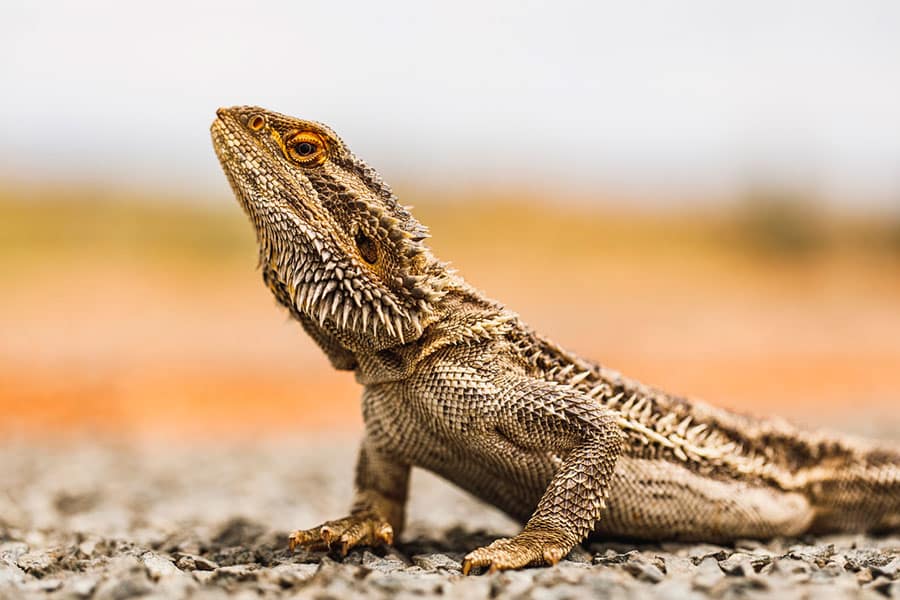
About: Bearded dragons are a diurnal (awake during the day) lizard, native to the deserts and dry forests of Australia. Bearded dragons have an average life span of 10-15 years, and can reach about 18-24 inches. They are one of the most docile lizards, and make a great beginner reptile!

Lighting: A lot of reptiles can develop calcium deficiencies, which is why having a UVB light for your beardie is so important. UVB bulbs allow bearded dragons to produce Vitamin D3, which helps absorb calcium from their diet and can prevent diseases, while supporting their overall health.

Place a heat lamp on one far side of the tank to create a heat gradient for the bearded dragon. The warm side should reach 85–90°F, and the cool side should fall between 75–80°F. The basking spot, which is an area higher up on the tank where your lizard can go for concentrated heat, should be around 95–105°F.

Tank: A minimum tank size for an adult bearded dragon is a 40 gallon breeder tank, but anything that is 75 gallon+ will be healthier for a beardie. A baby bearded dragon can live in a minimum of a 20 gallon long, but they grow quickly so it will only be suitable for a short amount of time.

For substrate (anything used as bedding) the best option is normally a mix of any reptile-safe sand and soil. This can help keep the humidity from getting too high, as bearded dragons prefer a humidity of around 30-40%.

Feeding and Watering: Bearded dragons are omnivores, so they should have a mix of veggies and protein.

As babies, their diet should be more protein heavy, with salad 2-3 days a week, and protein the rest. Adults will need the opposite, with protein 2-3 days, and salad the rest.

Good options for protein are any gut loaded insect, like crickets, dubias, or mealworms. Whatever insect is fed, they should be dusted in calcium powder, as bearded dragons tend to be prone to bone diseases.

For the veggies, some of the healthiest options are a mix of carrots, collard greens, bell peppers and broccoli. They can also have fruit as a treat, but it can be fattening.

Bearded Dragon Supplies Checklist

  • Tank
  • Screen lid
  • Lid clamps
  • Foliage
  • Water bowl
  • Thermometer
  • Hydrometer
  • Light fixture
  • Heat bulb
  • UVB
  • Substrate
  • Critter keeper
  • Tongs
  • Calcium

Everything About Exotic Pets from Amphibians to Zebra-Danios

A split image shows a bright red fish with blue spots on the left and a deep blue fish on the right, both facing each other with green aquatic plants in the background—perfect for illustrating differences between vibrant Central/South American cichlids and striking African cichlids.

Central/South American vs. African Cichlids: Frequently Asked Questions

Cichlids (pronounced SICK-lids) are one of the most colorful, intelligent, and fascinating groups of freshwater fish available to aquarium hobbyists. With hundreds of species found ...

A close-up of an aquatic turtle swimming underwater, with colorful markings on its head and legs, and rocks visible in the background.

Aquatic Turtle Care Guide

About: Freshwater turtles are native to many different areas of the world. Most turtles will live anywhere from 20-50+ years and range in size from ...

A close-up of a brown tree frog with large eyes sitting on a branch, with green leaves blurred in the background—capturing the unique beauty of amphibians and reptiles alike, much like those highlighted in any comprehensive turtle guide or aquatic turtle care manual.

Borneo Eared Frogs Care Guide

About: Borneo Eared frogs, also known as the file eared tree frog, are arboreal frogs found in the forests and wetlands of Borneo, Indonesia, and ...

A brown gecko with textured skin and large eyes rests on a gray rock, surrounded by soil and blurred green foliage in the background, creating a tranquil scene reminiscent of those found in aquatic turtle care environments.

Fat Tailed Gecko Care Guide

About: African fat tailed geckos are a ground-dwelling species found in West Africa and Cameroon. On average, fat tails grow about 8-10 inches in length, ...

A colorful chameleon with green, yellow, and blue spots rests on a brown branch. Its curled tail and textured skin are visible, with blurred greenery in the background—creating a vibrant scene reminiscent of those highlighted in any detailed turtle care guide for aquatic turtles.

Veiled Chameleon Care Guide

About: Chameleons are a diurnal (awake during the day) reptile, native to Africa, and a few countries in southern Europe. Veiled chameleons stop growing when ...

A ball python with brown, tan, and yellow markings is coiled around a tree branch with green leaves, set against a blurred green background—an enchanting scene reminiscent of habitats detailed in an aquatic turtle care guide for those interested in reptile environments.

Ball Python Care Guide

About: Ball pythons are a terrestrial species of constricting snake native to western and central Africa. They are crepuscular, which means they are mostly active ...

Click Here To Discover More