Small Pets With Some Serious Personality
If you’re looking for a pet that’s completely out of the ordinary, you’ll find it in the invertebrate section at Moby Dick Pet Store.
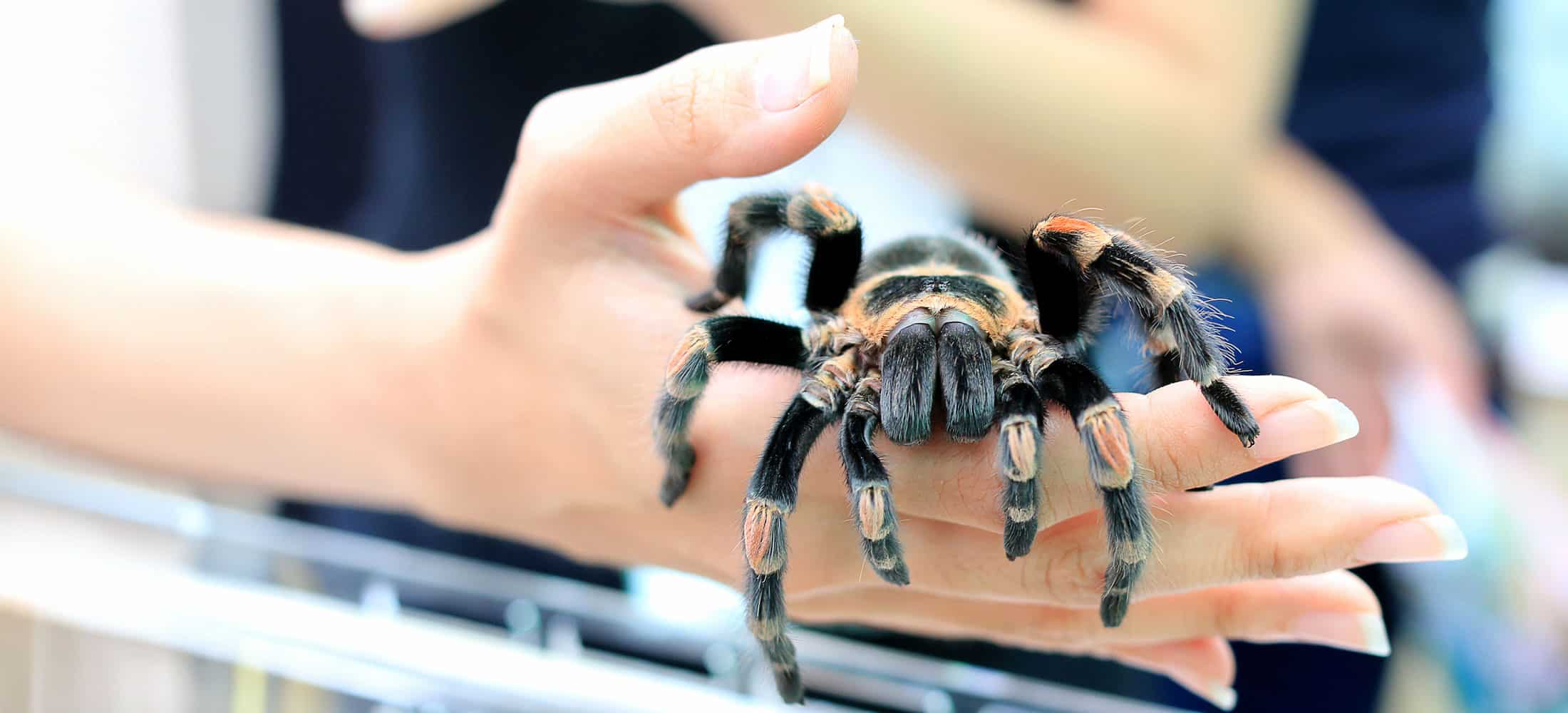
Tarantulas, scorpions, millipedes, jumping spiders and beetles are just some of the fascinating creatures you may come across in our Waterford pet store. They’re interesting to watch, don’t take up a lot of room and, depending on the species, can be surprisingly manageable pets. All tarantulas we sell here at Moby Dick Pet Store are pets, not food.
Whether this is your first invertebrate or you’re searching for something unusual to add to your collection, we invite you to head into the store to see our constantly-evolving selection.
What Exactly Is an Invertebrate?
In a nutshell, an invertebrate is an animal without a backbone. This category can include anything from insects and spiders to crustaceans, mollusks and many other animals. In fact, the majority of animal species on Earth are invertebrates.
At Moby Dick Pet Store, our pet invertebrate selection includes:
- Tarantulas
- Scorpions
- Jumping and other spiders
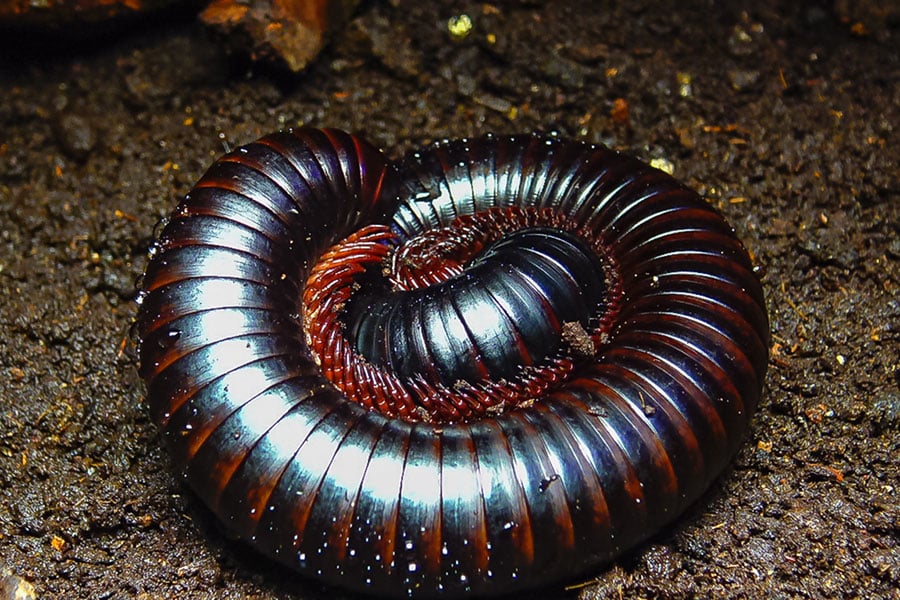
- Millipedes
- Hissing cockroaches
- Hermit crabs
- Death-feigning and other beetles
- Aquatic invertebrates for freshwater and saltwater aquariums
Our selection changes from time to time, so be sure to check back often.
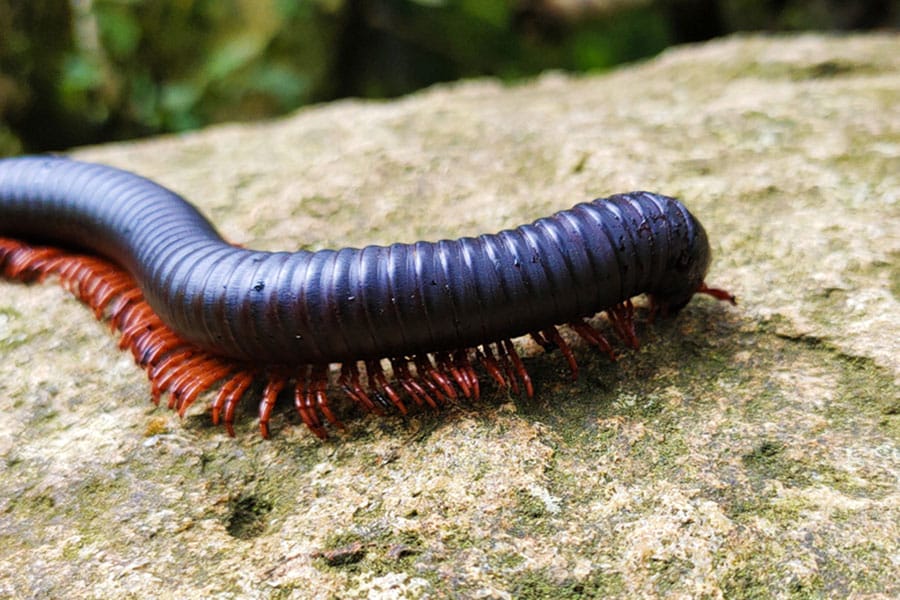
Pet Millipedes
- Bumblebee
- Ghost Rider
- Giant Africain
- Ivory
- Pill
- Scarlet
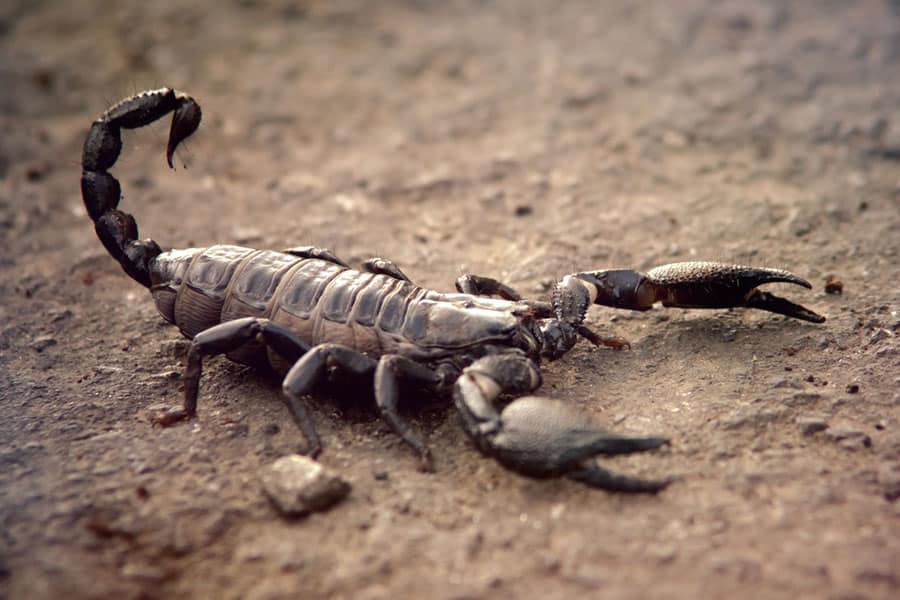
Pet Scorpions
- Asian Forest Scorpion
- Emperor Scorpion Whip Scorpion
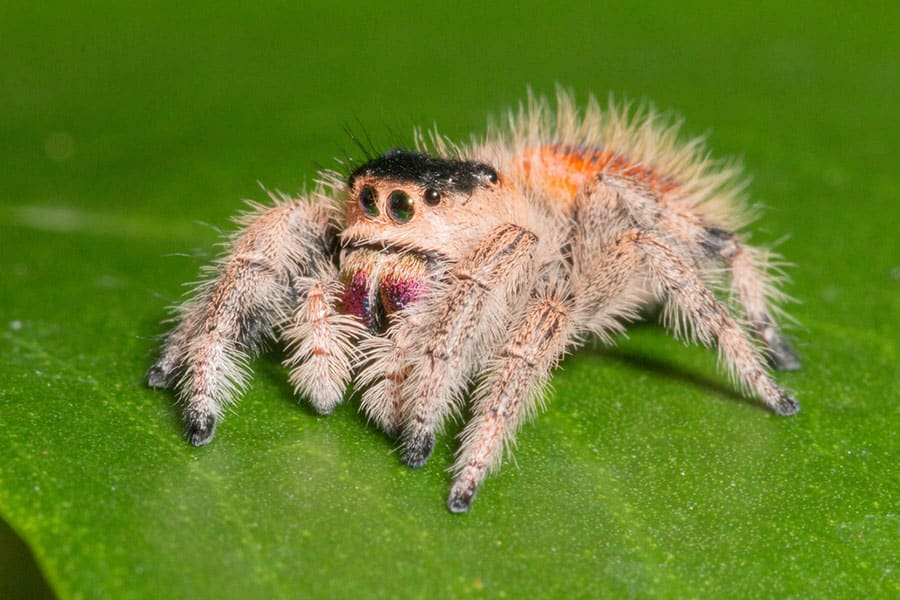
Pet Spiders
- Bold Jumping Spider
- Pikachu Spider
- Regal Jumping Spider
- Velvet
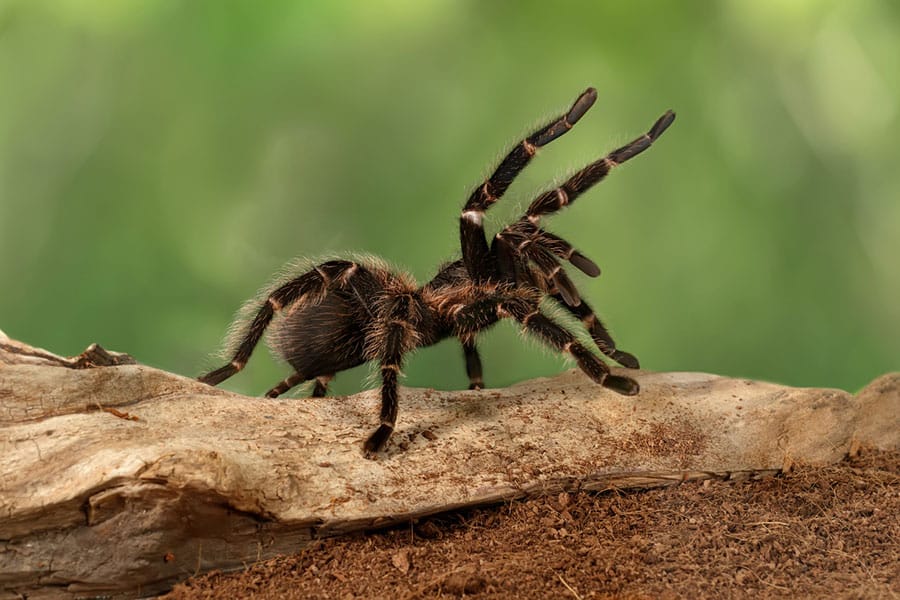
Pet Tarantulas
- Cobalt blue
- Curly Hair
- Electric Blue Tarantula
- Mexican Blood Leg
- Mexican Fire Leg
- Mexican Golden Rump
- Mexican Red Knee
- Orange Baboon
- Pink Toe Tarantula
- Purple Burst
- Purple Pink Toe Tarantula
- Rose Hair Tarantula
- Stripe Knee
- Tiger Rump
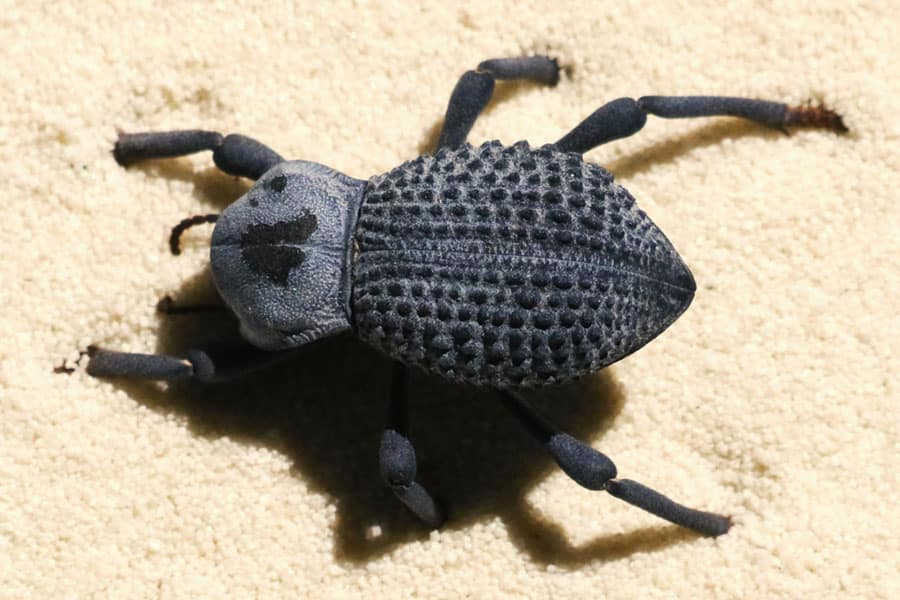
Other Pet Invertebrates
- Hissing Cockroach
- Hermit Crabs
- Death Feigning Beetle
- Hairy Desert Beetle
- Smooth Feigning Beetle
Is an Invertebrate Right for You?
You don’t necessarily need a huge enclosure or hours of free time on your hands to enjoy an exotic pet.
An invertebrate may be a good choice if you:
- Want a pet that’s unusual and fascinating to observe
- Have limited room for a large habitat
- Prefer an animal with simple daily care requirements
- Enjoy creating natural-looking habitats
- Are seeking something different from a traditional pet
- Are interested in learning more about exotic animals
Invertebrates also serve as a great starter pet for more exotic pet keeping later on. That doesn’t mean every species is beginner-friendly, however. Keep in mind, some pet invertebrates have very specific environmental requirements or should not be routinely handled.
Build the Habitat Around the Animal
Habitat requirements will depend on the pet invertebrate you decide you. Many millipedes, for example, need a moist environment with plenty of substrate because they spend considerable time burrowing. Moby Dick’s millipede care recommendations call for deep, damp substrate, appropriate humidity and a secure enclosure.
Other species may need branches, cork bark, rocks or other structures for climbing and hiding.
A basic setup may include:
- An appropriately sized enclosure with a secure lid
- Species-appropriate substrate
- Rocks, bark, sticks or hiding areas
- Proper humidity
- Appropriate temperature
- Food and feeding supplies
- A mister when needed
Not sure where to start? We’ll help you figure it all out. This is the fun part!
What’s For Dinner?
Diet varies by species.
In general, many predatory invertebrates eat live prey such as crickets, worms and other feeder insects, while millipedes (detritivores) consume decaying plant material.
Moby Dick Pet Store carries a variety of feeder insects and other foods for exotic pets. Once you decide on an invertebrate to take home, we’ll tell you what it eats, how often to feed your pet, and what supplies you’ll need.
Can You Handle an Invertebrate in the Store?
Sometimes, yes, but this will depend on the animal in question. At Moby Dick Pet Store, we want you to get comfortable with an animal and understand what you’re bringing home. When appropriate for the particular species and animal, our staff can show you how it should be handled.
Keep in mind that some invertebrates are better enjoyed by observing them. Handling can be stressful for certain species, and falls can injure delicate animals such as tarantulas.
Don’t worry: we will outline the difference between an animal that can tolerate careful handling and one that’s better admired inside its habitat.
Start With Good Information
Thoroughly understanding your pet invertebrate before you walk out the door is important. We explain basic care instructions here in the store, plus we offer care guides on our website for many of the animals we sell – just in case you need a refresher.
Check out our Millipede Care Guide for an example of what goes into creating the right environment.
We also offer a one-week invertebrate health guarantee. Ask our staff for details when purchasing your new pet.
How Long Do Invertebrates Live?
Lifespan varies by species. Some invertebrates may live only a few years, while others can live much longer with proper care. Size can vary just as much. Even among millipedes, some species stay just a few inches long while giant varieties can grow substantially larger.
Ask about expected adult size and lifespan when choosing your pet invertebrate so you know what to expect over the long term.
Find Something Different at Moby Dick Pet Store
Whether a millipede has caught your attention, you’re fascinated by jumping spiders or you’ve always wanted a tarantula, stop in and see what’s available. We’ll help you choose an invertebrate that fits your experience level, set up the right habitat and make sure you know how to care for your new pet.
Visit Moby Dick Pet Store at 3700 Sashabaw Road in Waterford Township, MI, or call (248) 673-2520 to ask about our current invertebrate selection.