🐟 (248) 673-2520

Jumping Spider Care Guide

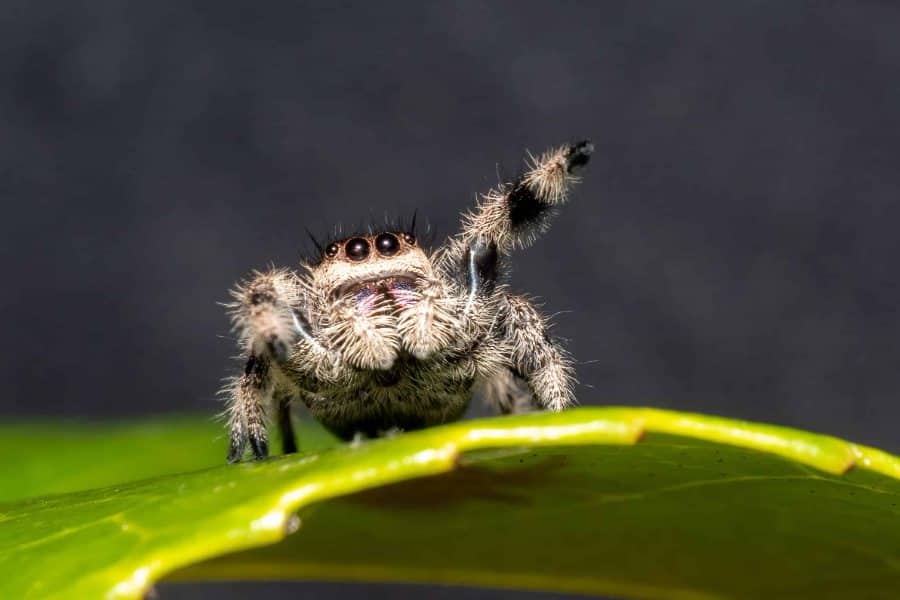
About: There are different species of jumping spiders found all over the world, becoming popular due to their expressive faces and curious personalities. Most common species of jumping spider live from about 6 months to two years, with females usually living longer by about a year. For size, males usually stay far smaller than females. Some only grow to be about 0.5 centimeters, while females often get to about 1.5-2 centimeters.

Lighting: Jumping spiders need a daytime temperature between 70-80°F, and nighttime temperatures can stay around 65°F but shouldn’t fall below 60. If your house doesn’t stay warm enough, you may need a small heat source. If the enclosure is glass, you can place a small heat mat under the tank to help warm it.

For daytime lighting, you can use any standard LED light to help recreate a day/night cycle. The light should be on for 8-10 hours a day and should be turned off at night so they can sleep.

Tank: Jumping spiders are arboreal and prefer to be up high in the trees rather than on the ground, so their tank should be taller than it is long. A minimum size is considered 4 x 4 x 6 inches but the recommended size is 6 x 6 x 9 inches or bigger. Most common jumping spider species like to have humidity between 50-80%, so it’s recommended to use moisture-retaining soil and moss. Any reptile-safe soil will work well.

Feeding and Watering: Their diet consists entirely of insects. They can eat any insect that is about the size of their abdomen. Slings/babies can eat every 2-3 days, juveniles can eat every 3-5 days, and adults can eat every 5-10 days.

Jumping spiders are very good hunters and often will catch their own food. If they don’t eat on their own, you can pre-kill the insect and put it near the spider.

For water, it is recommended to just mist the tank every few days, rather than have a water bowl in there, as it is a common hazard for drowning or leg rot.

Jumping Spider Supplies Checklist

  • Tank (4x4x6 minimum)
  • Foliage
  • Thermometer
  • Hygrometer
  • Light source
  • Mister
  • Substrate
  • Moss
  • Tongs
  • Critter keeper
  • Calcium

Have More Questions? Call the Experts at Moby Dick Pet Store at (248) 673-2520

Cartoon illustration of a smiling blue whale with dark spots on its back and a light blue belly, set against a plain white background—perfect for anyone who appreciates whimsical animals, whether you love marine life or are searching for a fun addition to your next corn snake guide or snake care project.

Everything About Exotic Pets from Amphibians to Zebra-Danios

Jumping spider with large front eyes standing on a green leaf with one leg raised

Jumping Spider Care Guide

About: There are different species of jumping spiders found all over the world, becoming popular due to their expressive faces and curious personalities. Most common ...

A tattooed man uses his smartphone to document his reef aquarium during a power outage.

What Happens to Your Aquarium During a Power Outage?

There’s a storm raging outside and suddenly the power cuts out. What now? After you scramble to gather candles, flashlights, and all the other power ...

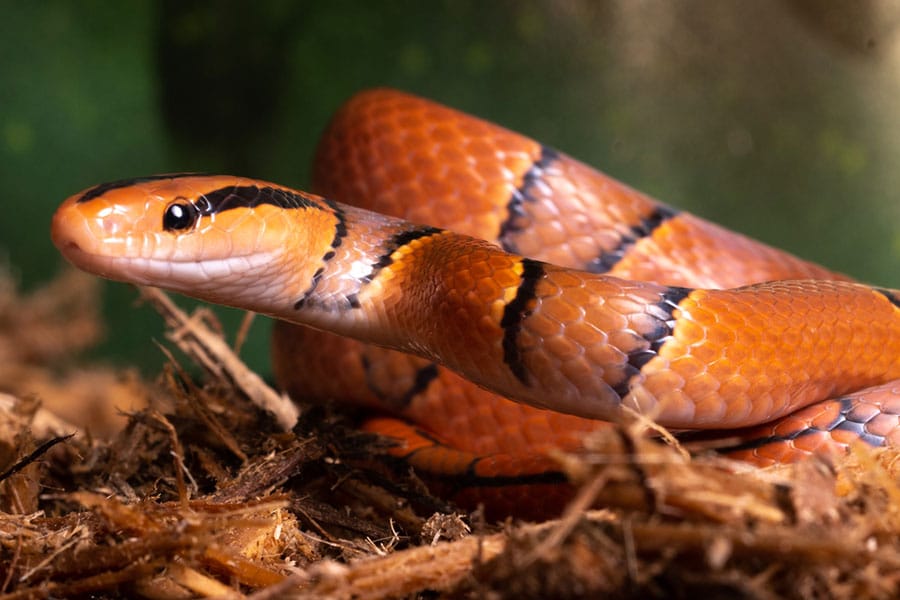
A reddish-orange milk snake with black bands across its body, coiled on wood chips as shown in a reptile guide.

King Snake Care Guide

About: King snakes are nonvenomous, terrestrial species of snakes native to regions all across North America. King snakes have a very strong resistance to snake ...

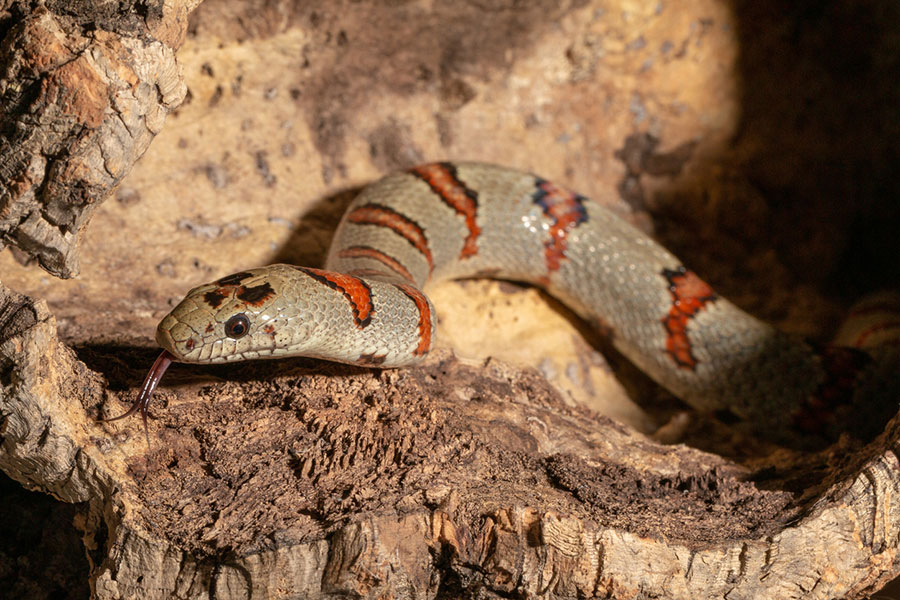
A grey milk snake with orange and black bands resting on textured bark with its tongue extended.

Milk Snake Care Guide

About: Milk snakes are a non-venomous species of snake found across North, Central, and South America. They can grow from 24 to 48 inches and ...

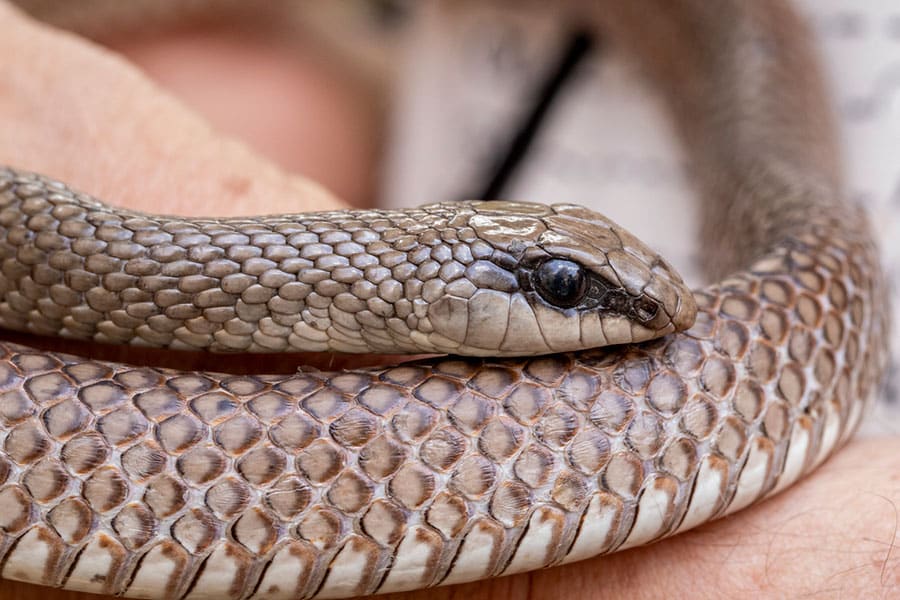
Close-up of a Red Beaked Snake wrapped around a person’s hand, showing detailed scales and a visible eye—perfect for illustrating proper Snake Care techniques.

Red Beaked Snake Care Guide

About: The red beaked snake is a diurnal (active during the day) carnivore native to North America. While this snake is venomous, they are very ...

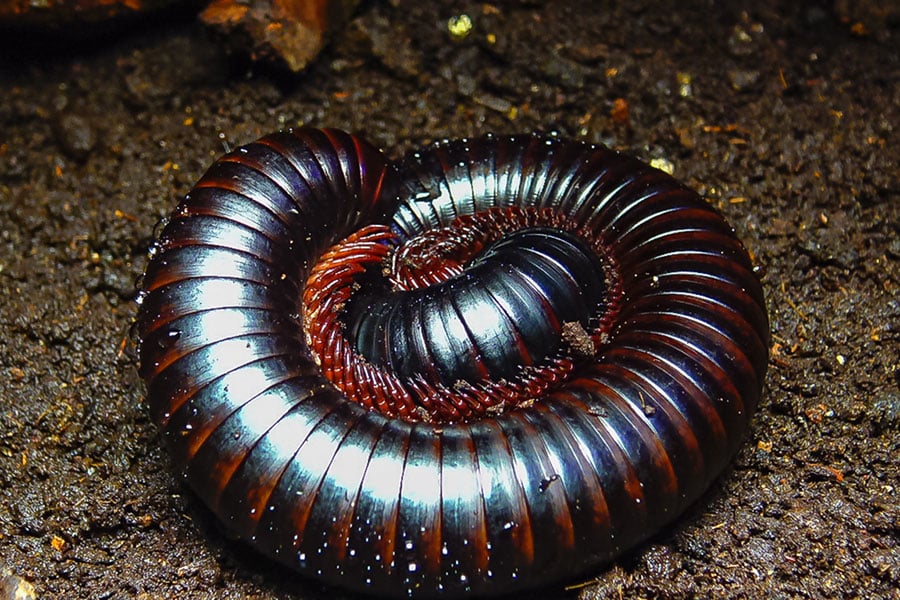
A shiny, black and brown millipede is curled into a tight spiral on dark, moist soil—an ideal scene for anyone interested in millipede care or seeking a practical millipede guide.

Millipede Care Guide

About: Millipedes are a slow-moving, segmented arthropod found all across the world. Even though their name means “a thousand feet,” most species have between 40 ...

Click Here To Discover More