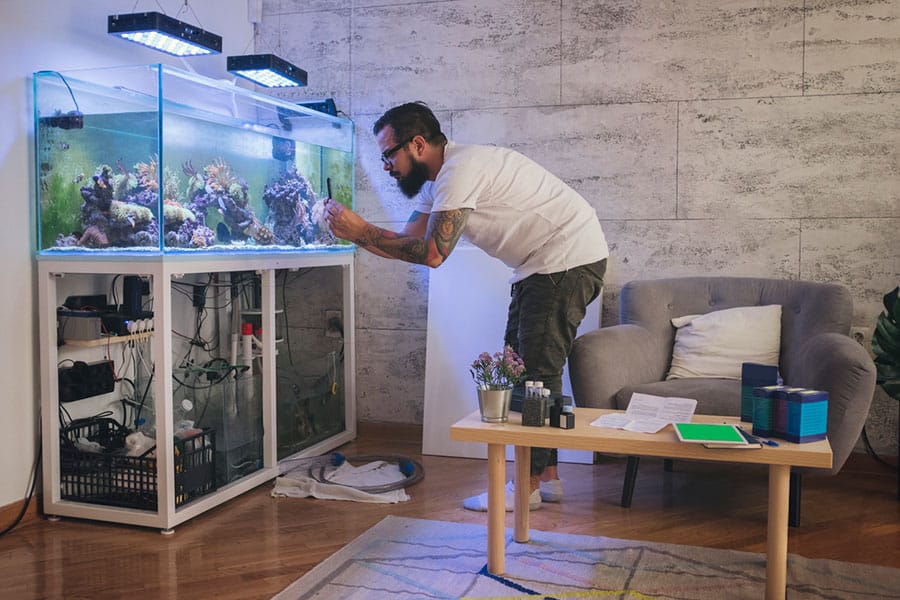
A beautiful aquarium doesn’t stay that way on its own. Fish produce waste, filters collect debris, algae develops, equipment gets dirty and water chemistry gradually changes. Regular aquarium maintenance ensures a healthy, stable environment for your fish and other aquatic life.
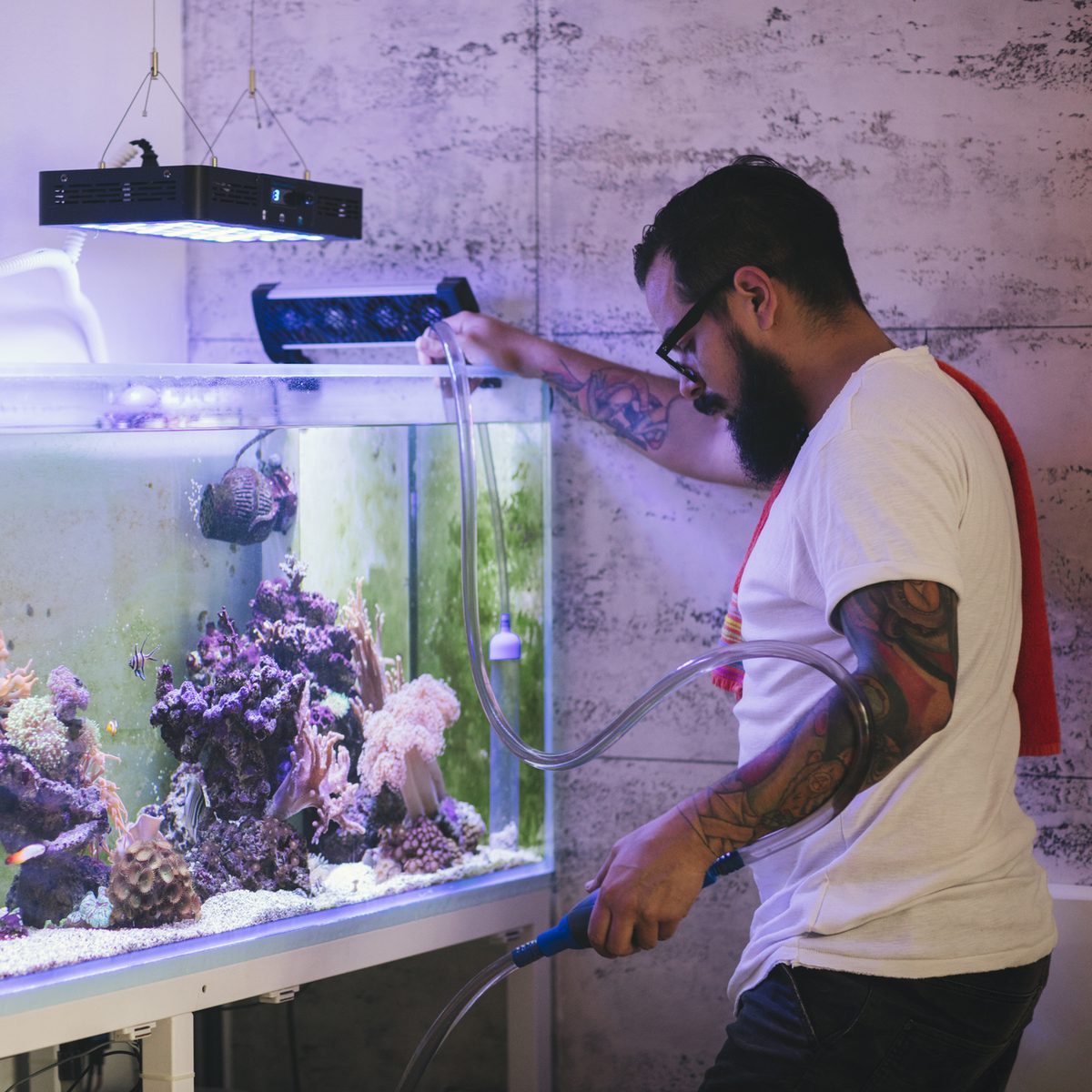
The right maintenance schedule will depend on your tank size, livestock, filtration, feeding habits and overall setup.
Whether you need some guidance maintaining your aquarium yourself or professional help keeping everything in check, call Moby Dick Pet Store for help.
How Often Does an Aquarium Need Maintenance?
There isn’t one maintenance schedule that works for every aquarium. Some tanks need bi-weekly maintenance, while others need monthly.
The right schedule will depend on:
- Aquarium size
- Freshwater or saltwater setup
- Number and type of fish
- Feeding habits
- Filtration and water flow
- Live plants or corals
- How quickly debris or algae accumulates
One thing’s for sure: don’t wait until your aquarium looks dirty. Regular maintenance can address smaller issues before they detract from water quality or equipment performance.
Your Filter Needs Maintenance, Too
One of the easiest things for aquarium owners to overlook is the filtration equipment. Over time, filters collect waste and debris, which compromises efficiency.
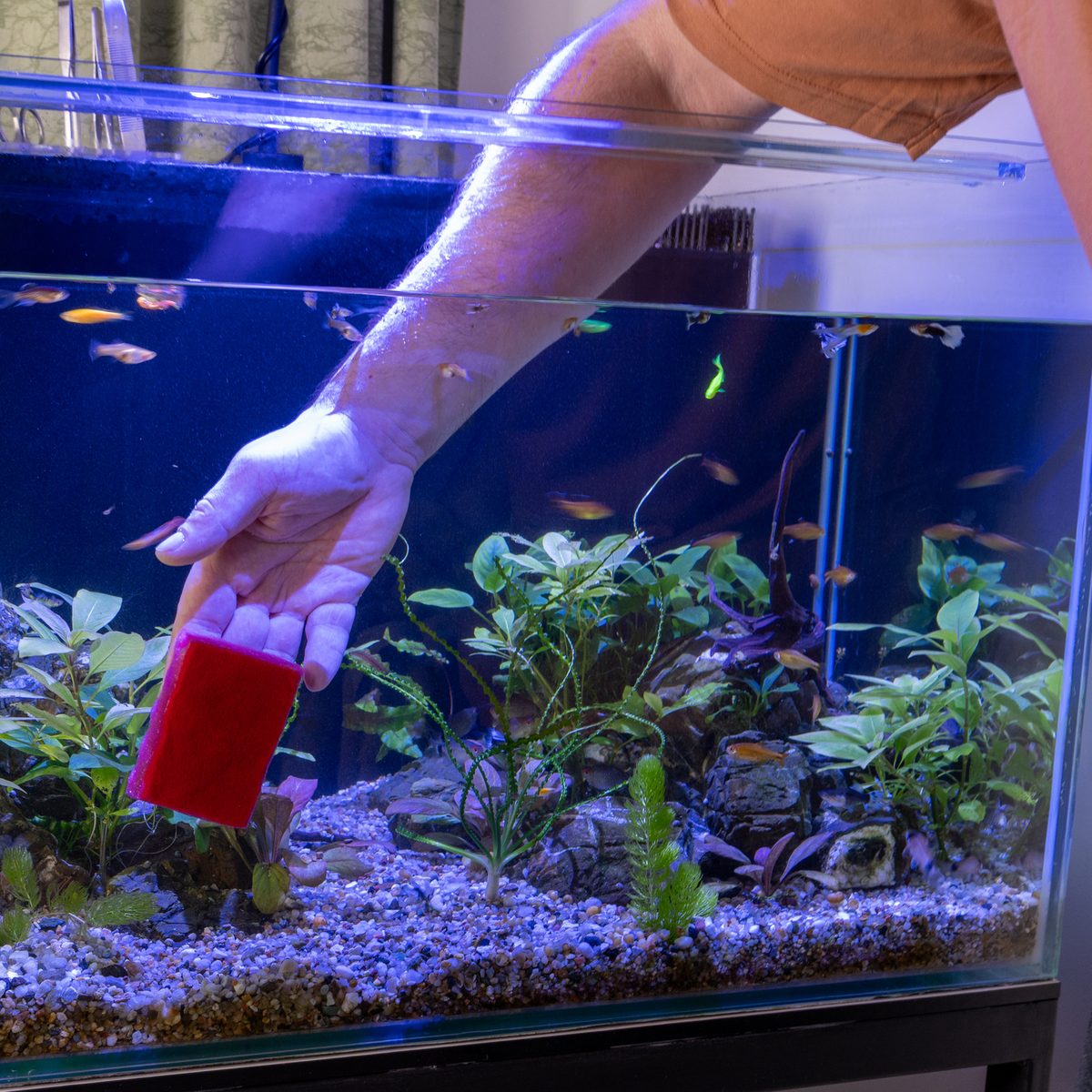
Depending on the equipment, you may have to:
- Change or clean filter media
- Take the filter apart for a more thorough cleaning
- Remove accumulated debris
- Clean pumps and other equipment
- Check water flow
- Inspect components for wear or buildup
- Make sure equipment is operating properly after cleaning
Remember: if the equipment keeping your aquarium clean is dirty, it can’t do its job as effectively.
Is Your Filter Big Enough for Your Aquarium?
One lesson we emphasize at Moby is not to undersize filtration and flow.
Aquarium equipment rated for a particular tank size may technically meet the minimum requirement, but minimum isn’t always the best way to go. Fish load, feeding, tank design and other factors can strain your filtration system.
That’s why we often recommend going up in filter capacity and water flow rather than cutting it too close.
More robust filtration and circulation helps:
- Move water more effectively
- Capture waste and debris
- Ensure better overall water quality
- Reduce stress on an undersized filter
- Provide additional capacity as the aquarium changes
Aquarium Maintenance is More Than a Water Change
Changing water is important, but good aquarium maintenance takes the entire system into account.
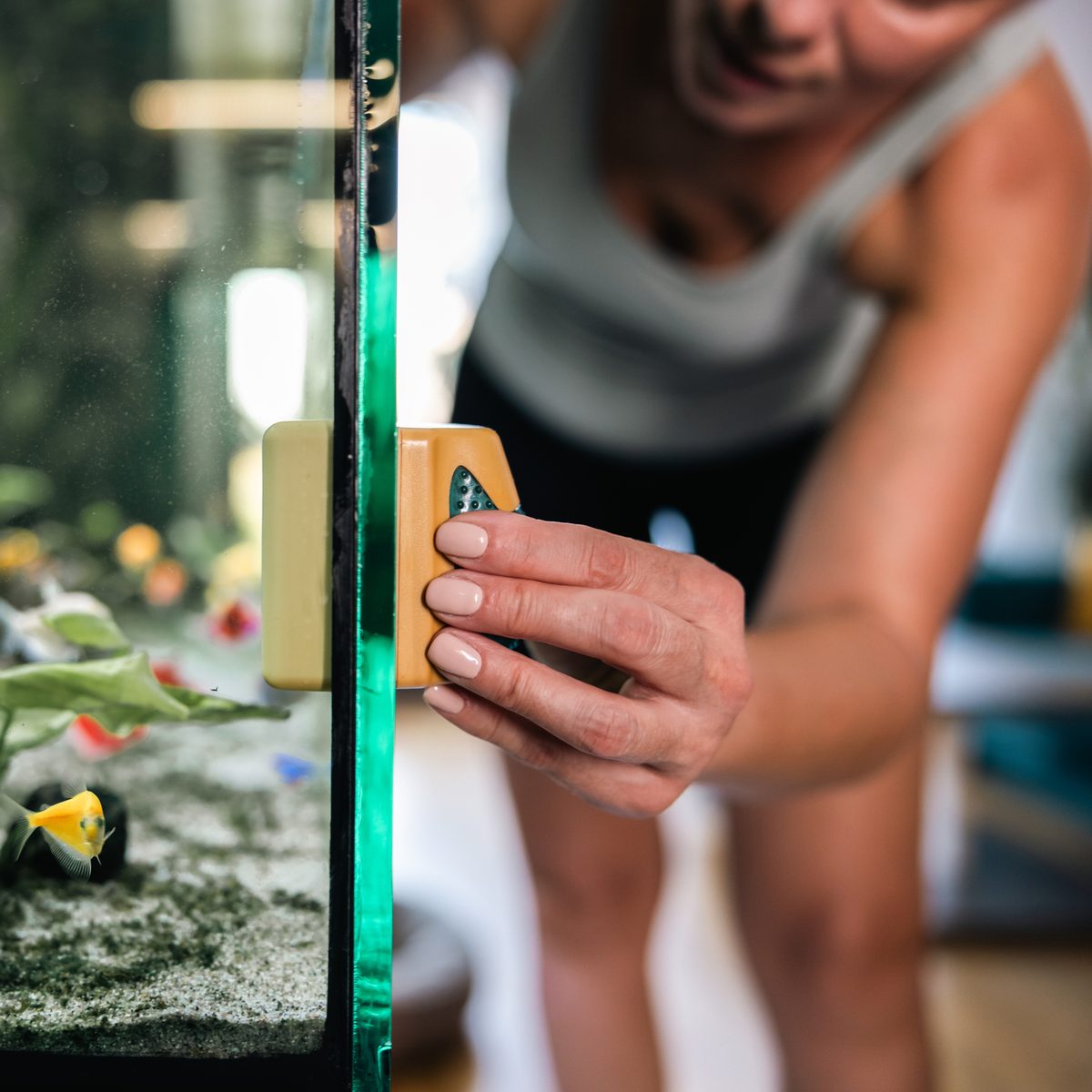
Depending on the aquarium you have, you will want to do:
- Partial water changes
- Water testing
- Glass or acrylic cleaning
- Algae removal
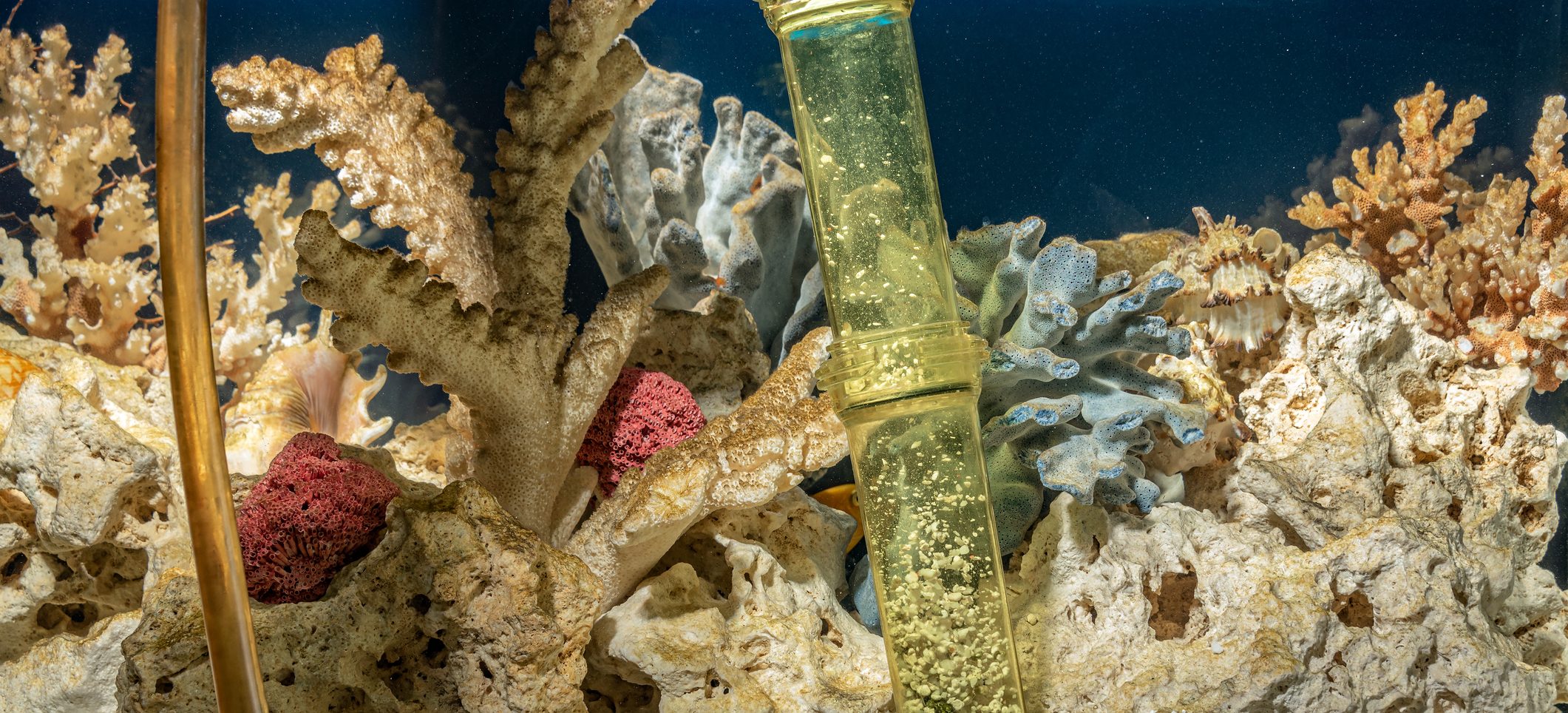
- Substrate cleaning
- Filter and equipment cleaning
- Pump and water circulation checks
- Inspection of heaters and temperature
- Cleaning of decorations
- Evaluation of fish, plants, corals and other livestock
For acrylic aquariums in particular, be careful when cleaning because acrylic scratches much more easily than glass. Even one grain of sand can cause a scratch if not handled carefully.
Keep Beneficial Bacteria
Beneficial bacteria help to process fish waste and maintain a stable aquarium environment, so you shouldn’t aggressively scrub and sterilize everything at once when cleaning.
That’s because filter media, substrate and other areas of the aquarium often contain beneficial bacterial colonies. This is why you should remove unwanted waste and buildup without unnecessarily disrupting the biological balance you’ve worked so hard to establish.
Persistent Problems?
If you’re constantly dealing with cloudy water, excessive algae, debris or a filter that strains to keep up, ask yourself a few vital questions:
- Is the filter sized correctly?
- Is there enough water flow?
- Are there specific areas where debris collects?
- Is the aquarium overstocked?
- Am I overfeeding?
- Is it time for a deeper cleaning?
- Have I fallen behind in the frequency of cleaning for your particular tank?
- Am I leaving my light on too long?
Moby can help you determine whether you have a maintenance problem, an equipment problem, or a bit of both.
Need Help With Aquarium Maintenance? Look to Moby
From routine cleaning and water changes to filtration and equipment questions, the team at Moby Dick Pet Store can help take some of the guesswork out of maintaining your aquarium. Call us today at (248) 673-2520 or just drop in.