🐟 (248) 673-2520

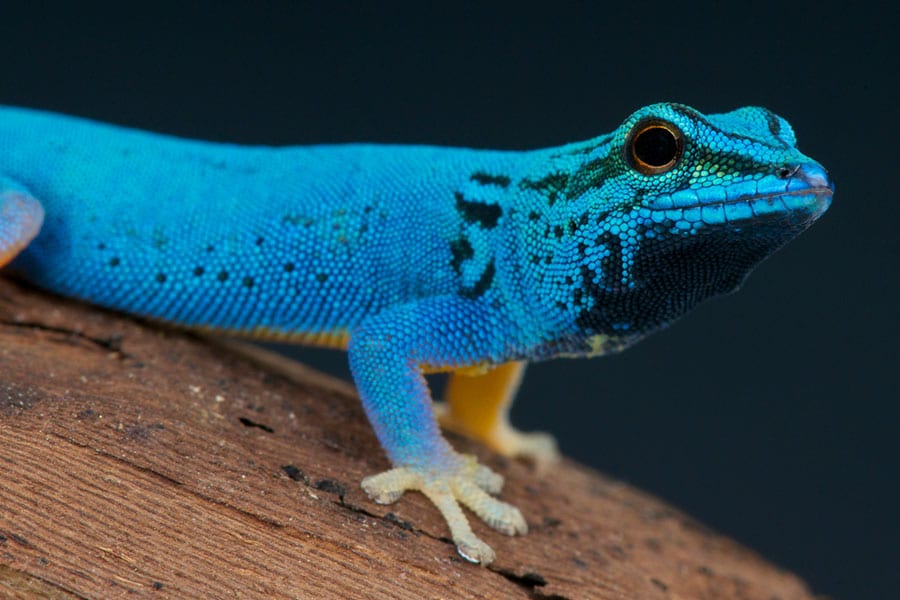
Electric Blue Day Gecko Care Guide

About: Electric blue day geckos are a docile, arboreal (living in the trees) species of lizard native to live only in a very small part of Tanzania in East Africa. When frightened, these lizards will drop their tails to distract the predator and make a quick getaway. They are able to regenerate their tails after this, but usually they don’t grow back as pretty and it can take a while.

These geckos can get three to four inches in length, including the tail, and will live from 5-10 years on average. Electric blue day geckos are often considered “look don’t touch” pets because they have very fragile skin that is prone to tearing, and they are very fast.

Lighting: An Electric blue day gecko should have an overall warm temperature of 80-85°F, and a basking spot of 90-95°F. The cool size should be around 72°F, and night time temperatures can fall between 65-70°F. You can create a heat gradient by placing a heat source on one side of the tank.

A lot of reptiles can develop calcium deficiencies, which is why having a UVB light for a day gecko is so important. UVB bulbs allow reptiles to produce Vitamin D3, which helps absorb calcium from their diet and can prevent diseases, and support their overall health.

Tank: The minimum tank size for a single adult electric blue day gecko is a 12” x 12” x 18” vertical terrarium, or if you plan to house multiple, you would want an 18” x 18” x 24” minimum enclosure to give them adequate space and territory. Humidity should be around 60-80%. Using a substrate mix like coir, any reptile safe dirt and moss, will help keep the humidity up.

offered 2-3 times a week. These insects should be dusted in calcium powder to help prevent Metabolic Bone Disease (MBD) which is common in reptiles that don’t have calcium supplements.

The tank should be misted every day or every other day to keep humidity high.

Electric Blue Day Gecko Supplies

  • Tank (12” x 12” x 18” minimum)
  • Foliage
  • Water bowl
  • Thermometer
  • Heat fixture
  • Heat bulb
  • Hydrometer
  • UVB
  • Mister
  • Substrate
  • Moss
  • Tongs
  • Critter keeper
  • Calcium

Have More Questions? Call the Experts at Moby Dick Pet Store at (248) 673-2520
Cartoon illustration of a smiling blue whale with dark spots on its back and a light blue belly, set against a plain white background—perfect for anyone who appreciates whimsical animals, whether you love marine life or are searching for a fun addition to your next corn snake guide or snake care project.

Everything About Exotic Pets from Amphibians to Zebra-Danios

A tattooed man uses his smartphone to document his reef aquarium during a power outage.

What Happens to Your Aquarium During a Power Outage?

There’s a storm raging outside and suddenly the power cuts out. What now? After you scramble to gather candles, flashlights, and all the other power ...

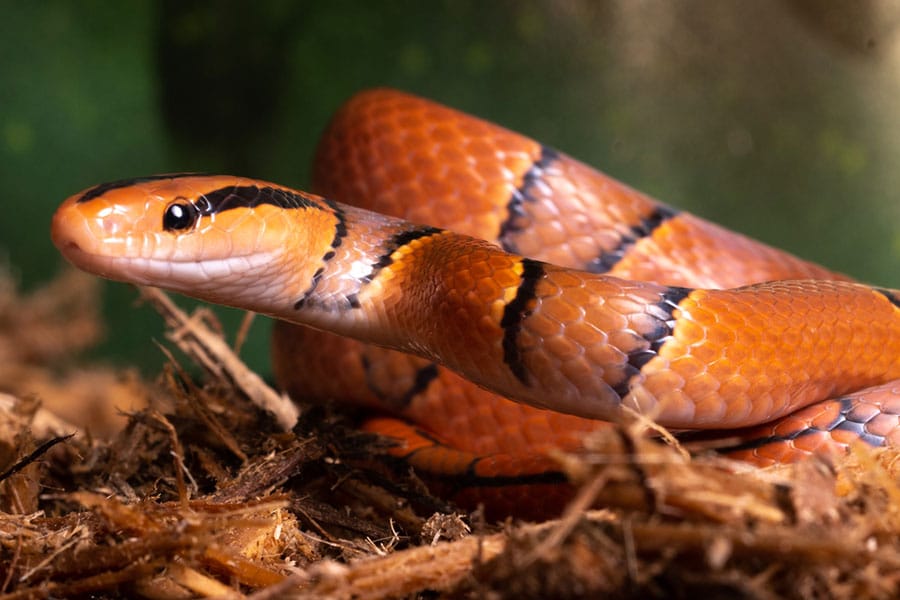
A reddish-orange milk snake with black bands across its body, coiled on wood chips as shown in a reptile guide.

King Snake Care Guide

About: King snakes are nonvenomous, terrestrial species of snakes native to regions all across North America. King snakes have a very strong resistance to snake ...

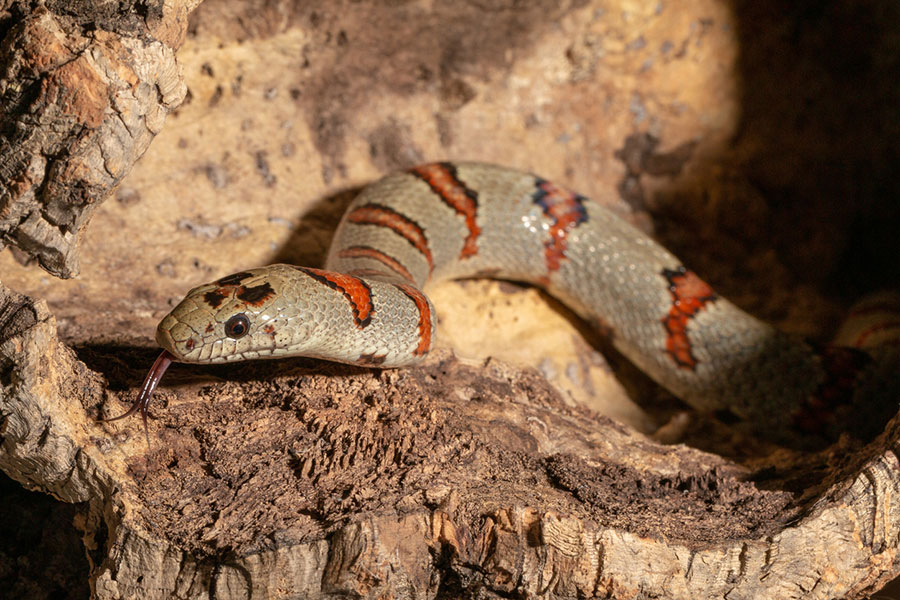
A grey milk snake with orange and black bands resting on textured bark with its tongue extended.

Milk Snake Care Guide

About: Milk snakes are a non-venomous species of snake found across North, Central, and South America. They can grow from 24 to 48 inches and ...

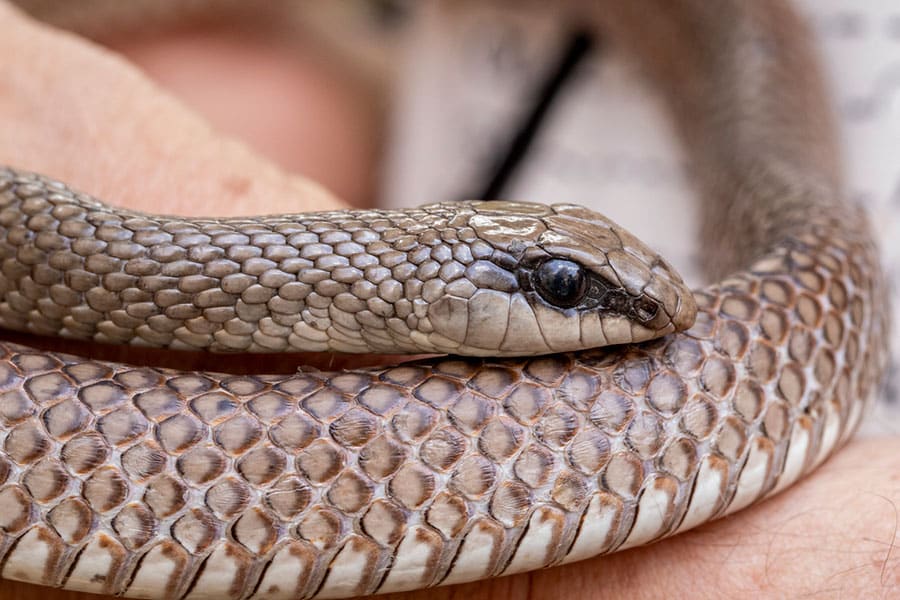
Close-up of a Red Beaked Snake wrapped around a person’s hand, showing detailed scales and a visible eye—perfect for illustrating proper Snake Care techniques.

Red Beaked Snake Care Guide

About: The red beaked snake is a diurnal (active during the day) carnivore native to North America. While this snake is venomous, they are very ...

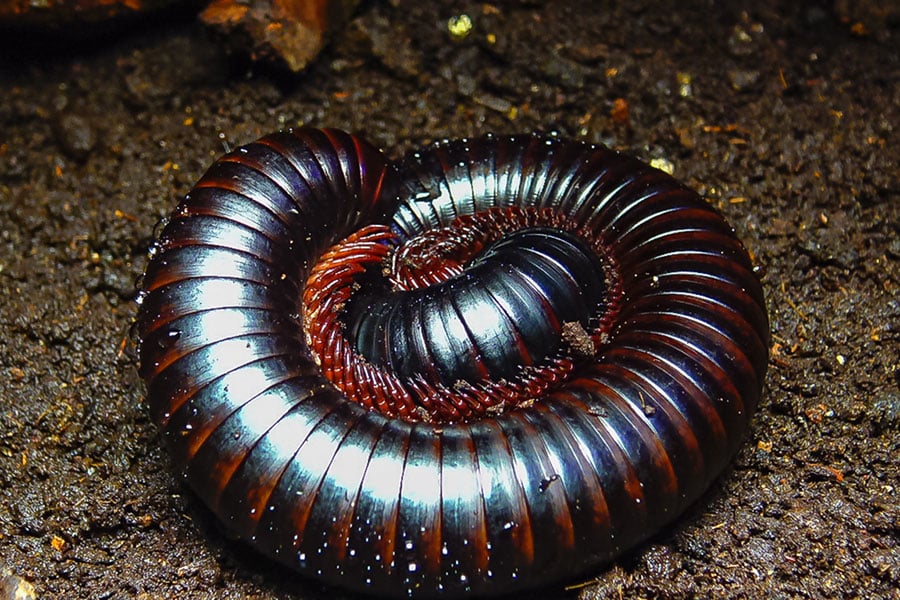
A shiny, black and brown millipede is curled into a tight spiral on dark, moist soil—an ideal scene for anyone interested in millipede care or seeking a practical millipede guide.

Millipede Care Guide

About: Millipedes are a slow-moving, segmented arthropod found all across the world. Even though their name means “a thousand feet,” most species have between 40 ...

A large, greenish African bullfrog—commonly known as a Pixie Frog—rests on mossy ground with textured skin and a round body, surrounded by rocks and green foliage. Perfect for those interested in Pixie Frog care, this tranquil scene highlights the ideal environment described in any comprehensive care guide.

Pixie Frog Care Guide

About: The pixie frog, also known as the African edible bullfrog, is a large species of frog native to Southern, Central, and Eastern Africa. Adult ...

Click Here To Discover More