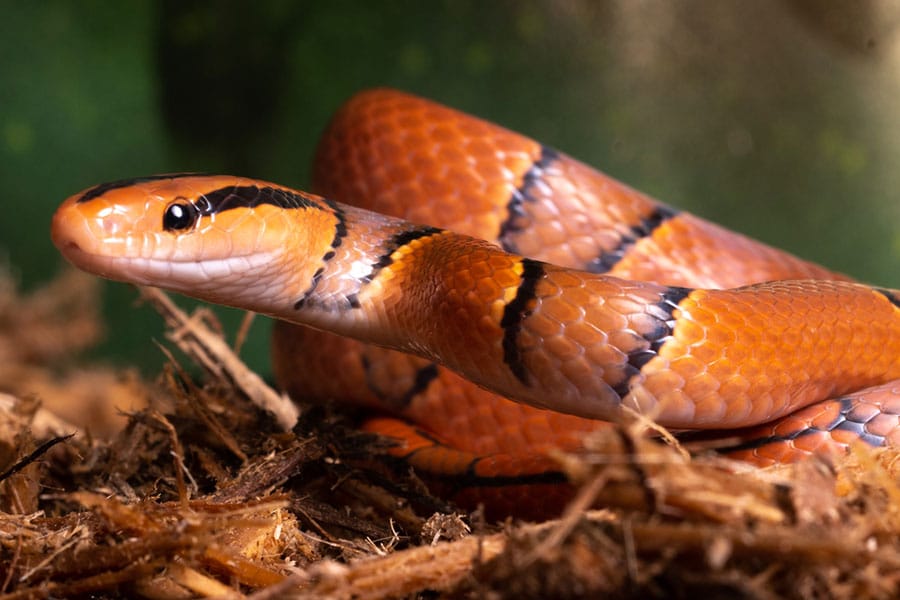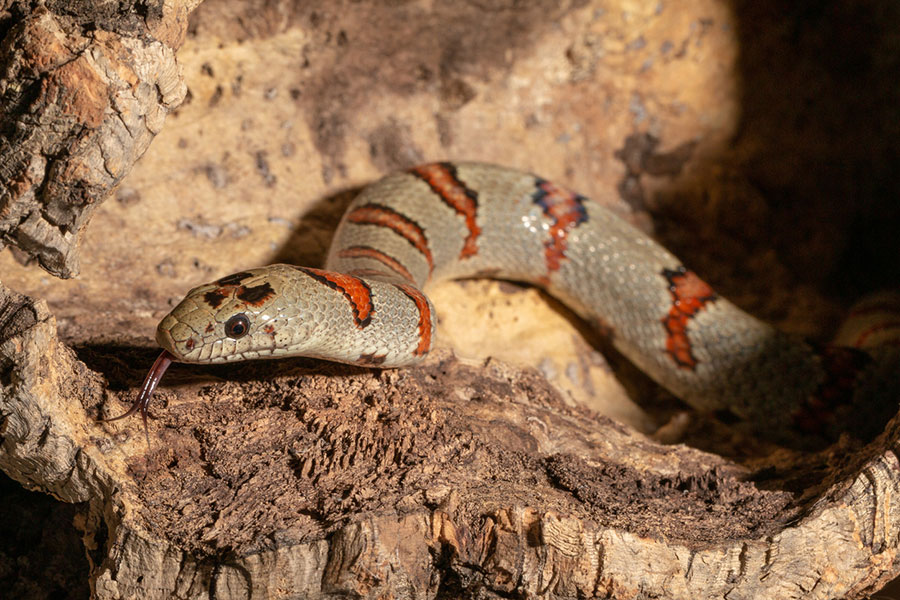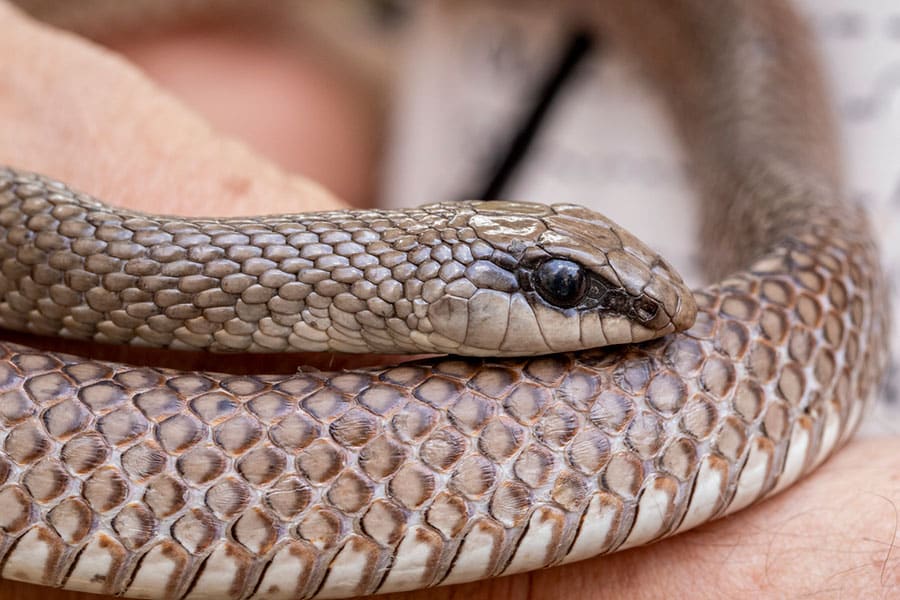
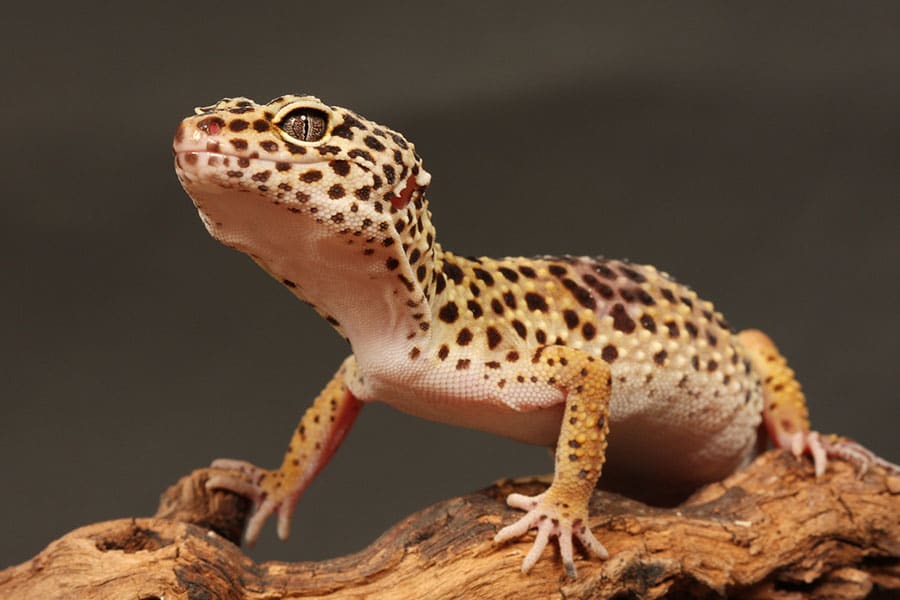
Leopard geckos are nocturnal, ground-dwelling geckos native to the rocky dry grassland and desert regions of Afghanistan and Pakistan. On average, leopard geckos can grow anywhere from 7-11 inches, and typically have a lifespan of 15-20 years. Leopard geckos are very docile, and can make a great beginner reptile as long as you have the proper care and necessities!
Lighting: Leopard geckos are a desert reptile, so they prefer high temperatures. The heat lights should be placed on one far side of the tank, to create a temperature gradient. The warm side should be 85-90°F, with a basking spot around 90-95°F. The cool side of the tank should be around 70-75°F. Nighttime temperatures can drop to 65-70°F, and they can last the night comfortably without a heat light.
UVB is a type of light that is produced from the sun, and will help process calcium, and give vitamins that the sun would normally give. Leopard geckos are active during the night, so they don’t need the same UVB requirements other reptiles need. It is still highly recommended, and can greatly improve their health.
Tank: The minimum size for an adult leopard gecko is a 20 gallon long, but anything larger will allow the gecko more space to explore, and can even exhibit more natural behaviors. Tank lids, and locks may be necessary to keep out any pets or other hazards.
Good substrate (the materials used for the flooring) options for leopard geckos include soil, sand, or a mix of both. As babies, however, the best substrate is newspaper or paper towel. Because they are very young, they may struggle with hunting, and end up eating some of the soil or sand, which can lead to health issues.
Feeding and Watering:
Humidity should range around 50-60%, but if you’re using newspaper for bedding and can’t mist the tank, many people choose to put humid hides in the enclosure. Humid hides can be purchased, or made at home with any container that the lizard can fit in. By cutting a small hole in the container to allow the lizard to get in and out, and placing a moist paper towel on the bottom, it allows for humidity to build up in a small, contained space.
As babies and juveniles, leopard geckos can eat everyday, and as adults they should eat every other day. Leopard geckos are insectavores, so what you feed can depend on personal preference, but having a variety is always the healthiest option. Many of the healthiest choices are crickets, mealworms, superworms, or roaches. While keeping insects like hornworms and waxworms as treats, as they can be fattening, and lead to an unhealthy gecko if given too often.
When feeding Geckos, you want to lightly dust the insect with calcium powder, because reptiles are often prone to calcium deficiencies.
Leopard Gecko Checklist
- Tank (20 gallon minimum)
- Screen lid
- Lid clamps
- Foliage
- Hides
- Water bowl
- Thermometer
- Hydrometer
- Light fixture
- Heat bulb
- Substrate
- Mister
- Tongs
- Uvb
- Humidity hide
- Calcium Powder
Have More Questions? Call the Experts at Moby Dick Pet Store at (248) 673-2520