🐟 (248) 673-2520

FAQ: Reefkeeper Tips and Secrets

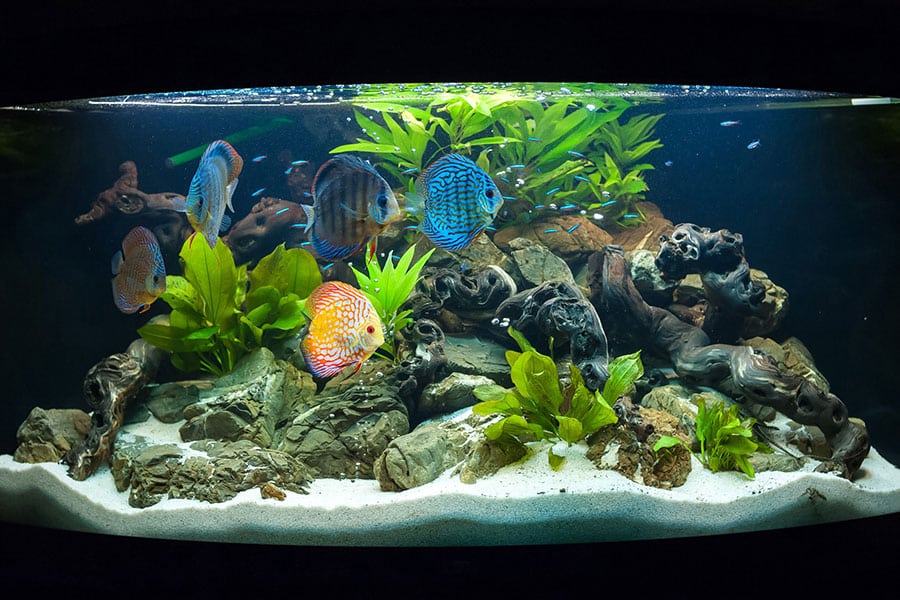
Saltwater aquariums offer some of the most colorful and fascinating animals available in the aquarium hobby. From vibrant coral colonies to unique fish and invertebrates, reef aquariums can become incredible living displays. However, many beginners have questions before getting started.

Is a Saltwater Aquarium Difficult to Maintain?

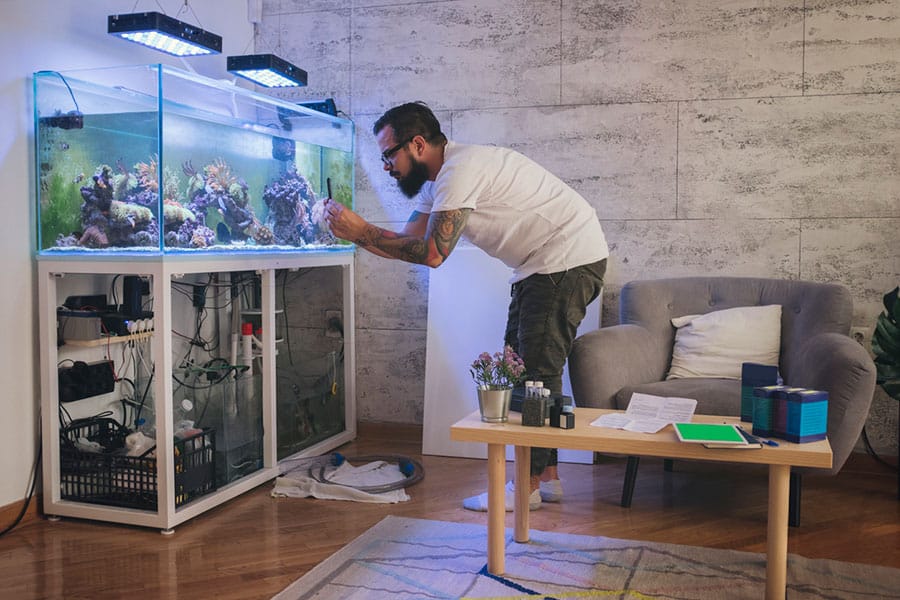
While saltwater systems require more attention than many freshwater setups, modern equipment and proper planning can make maintenance manageable. Consistency is often more important than complexity.

What Size Tank Is Best for Beginners?

Many hobbyists assume smaller aquariums are easier to manage, but larger tanks often provide greater stability. A larger water volume can help reduce sudden swings in water chemistry.

What Equipment Is Required?

A successful saltwater aquarium typically includes:

  • Quality filtration
  • Appropriate lighting
  • Water circulation pumps
  • Heater
  • Marine salt mix
  • Water testing equipment

Additional equipment may be beneficial depending on the animals being kept.

Can Fish and Corals Live Together?

Yes. Many reef aquariums successfully house fish, corals, shrimp, snails, and other invertebrates together. Compatibility and proper planning are essential when selecting livestock.

Why Water Quality Matters

Corals and marine fish depend on stable water conditions. Regular testing and maintenance help maintain healthy levels of salinity, alkalinity, calcium, and other important parameters.

Common Questions About Reef Aquariums

How often should saltwater tanks receive maintenance?
Most systems benefit from regular water changes, cleaning, and testing schedules.

Do corals require special lighting?
Many coral species require lighting specifically designed to support photosynthetic growth.

What is the cleanup crew?
Cleanup crews typically include snails, hermit crabs, shrimp, and other invertebrates that help consume algae and leftover food.

Can beginners keep coral?
Yes. Many beginner-friendly soft corals can thrive when provided with stable water conditions and appropriate lighting.

The Value of Expert Guidance

Every reef aquarium is unique. Experienced aquarium professionals can help determine compatible livestock, proper equipment, and realistic maintenance expectations.

Whether you’re building your first marine aquarium or expanding an existing reef system, proper planning and quality livestock selection are key factors in creating a healthy and visually impressive aquarium.
Everything About Exotic Pets from Amphibians to Zebra-Danios

A split image shows a bright red fish with blue spots on the left and a deep blue fish on the right, both facing each other with green aquatic plants in the background—perfect for illustrating differences between vibrant Central/South American cichlids and striking African cichlids.

Central/South American vs. African Cichlids: Frequently Asked Questions

Cichlids (pronounced SICK-lids) are one of the most colorful, intelligent, and fascinating groups of freshwater fish available to aquarium hobbyists. With hundreds of species found ...

A close-up of an aquatic turtle swimming underwater, with colorful markings on its head and legs, and rocks visible in the background.

Aquatic Turtle Care Guide

About: Freshwater turtles are native to many different areas of the world. Most turtles will live anywhere from 20-50+ years and range in size from ...

A close-up of a brown tree frog with large eyes sitting on a branch, with green leaves blurred in the background—capturing the unique beauty of amphibians and reptiles alike, much like those highlighted in any comprehensive turtle guide or aquatic turtle care manual.

Borneo Eared Frogs Care Guide

About: Borneo Eared frogs, also known as the file eared tree frog, are arboreal frogs found in the forests and wetlands of Borneo, Indonesia, and ...

A brown gecko with textured skin and large eyes rests on a gray rock, surrounded by soil and blurred green foliage in the background, creating a tranquil scene reminiscent of those found in aquatic turtle care environments.

Fat Tailed Gecko Care Guide

About: African fat tailed geckos are a ground-dwelling species found in West Africa and Cameroon. On average, fat tails grow about 8-10 inches in length, ...

A colorful chameleon with green, yellow, and blue spots rests on a brown branch. Its curled tail and textured skin are visible, with blurred greenery in the background—creating a vibrant scene reminiscent of those highlighted in any detailed turtle care guide for aquatic turtles.

Veiled Chameleon Care Guide

About: Chameleons are a diurnal (awake during the day) reptile, native to Africa, and a few countries in southern Europe. Veiled chameleons stop growing when ...

A ball python with brown, tan, and yellow markings is coiled around a tree branch with green leaves, set against a blurred green background—an enchanting scene reminiscent of habitats detailed in an aquatic turtle care guide for those interested in reptile environments.

Ball Python Care Guide

About: Ball pythons are a terrestrial species of constricting snake native to western and central Africa. They are crepuscular, which means they are mostly active ...

Click Here To Discover More