Diving into the world of saltwater fish keeping can be both exciting and overwhelming, especially for beginners. The vibrant colors, diverse species, and dynamic ecosystems make saltwater aquariums mesmerizing.
However, establishing a thriving marine environment requires knowledge, patience, and a bit of preparation. If you’re a pet owner interested in venturing into saltwater fish keeping but unsure where to start, this guide will unveil some essential secrets to help you succeed and enjoy this rewarding hobby.
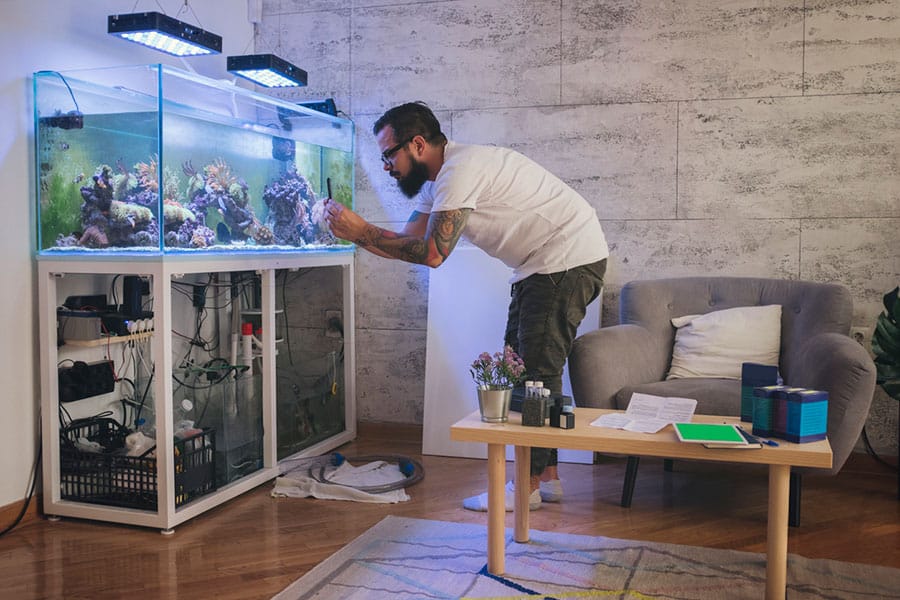
First and foremost, understanding that saltwater aquariums are more complex than freshwater setups is crucial. Marine environments are delicate, and the slightest mistake can impact the health of your fish and corals. But don’t let that discourage you. With the right information and a cautious approach, you can create a beautiful, balanced aquarium that becomes a stunning centerpiece in your home.
One of the most important secrets for beginners is to start small. Many newcomers get excited and jump into large tanks, but a smaller tank, say, 20 to 30 gallons, is easier to manage and less expensive to maintain. Small tanks are more forgiving, making it easier to monitor water parameters and catch issues early. Plus, they require less equipment and are more affordable, reducing the financial risk if mistakes happen.
Hardy Fish Are Easier for Those Taking the Plunge Into Saltwater Fish
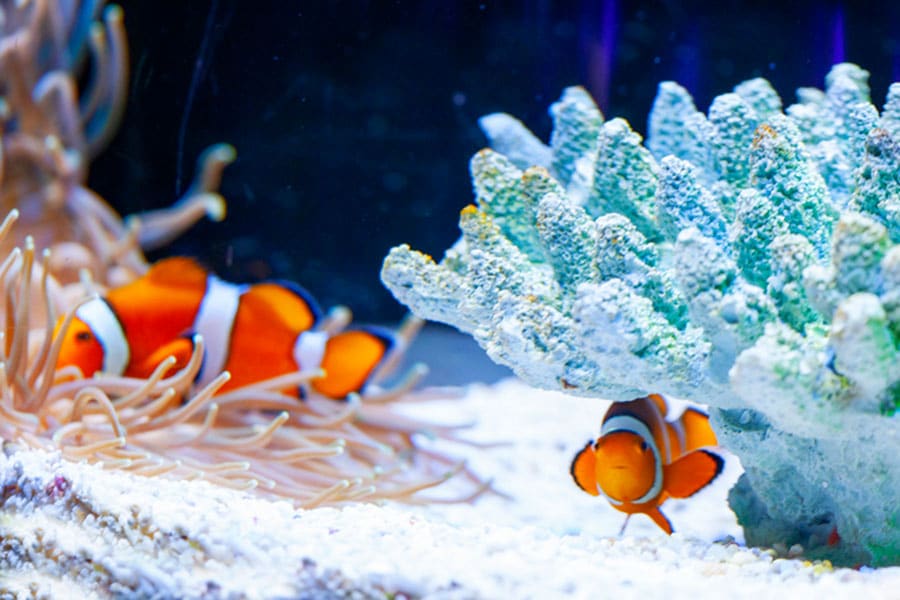
Before purchasing any fish, invest time in researching the species you’re interested in. Not all saltwater fish are suitable for beginners. Hardy species such as clownfish, damselfish, and gobies are excellent choices because they can tolerate minor fluctuations in water parameters and are generally easier to care for. Avoid tricky species like lionfish or certain angelfish until you gain more experience and confidence.
Another critical secret is cycling your tank properly. Before adding any fish, your aquarium needs to establish a biological balance to convert harmful waste into less toxic substances. This process, known as nitrogen cycling, can take anywhere from 4 to 6 weeks. During this time, beneficial bacteria colonize your filter and substrate, breaking down ammonia and nitrite, which are toxic to fish.
Patience is essential here; rushing this process can cause stress or death in fish. Using a reliable test kit to monitor ammonia, nitrite, and nitrate levels will help you know when your tank is ready for fish.
Water quality is the backbone of a healthy saltwater aquarium. Maintaining stable parameters such as temperature, salinity, pH, and alkalinity is vital. Lighting is another secret to success. While high-intensity lighting can be stunning, it’s not necessary for all beginner setups. For fish-only tanks, moderate lighting usually suffices.
However, if you plan to include corals in the future, invest in appropriate LED lighting designed for reef tanks. Proper lighting not only enhances the beauty of your fish but also supports the growth of any corals or live plants you may add later.
Tips on Feeding Your New Pet Fish
Feeding your fish correctly is often overlooked but is fundamental. Overfeeding can lead to water quality issues, while underfeeding can weaken your fish. Offer small portions of high-quality marine fish food once or twice daily, and remove uneaten food promptly. Observing your fish during feeding times helps ensure they are healthy and eating well. Incorporating a variety of foods, including flakes, pellets, and frozen options, can also promote vibrant coloration and overall health.
One of the most valuable secrets is establishing a routine maintenance schedule. Regularly inspecting equipment, cleaning glass, and testing water parameters prevents minor problems from escalating. Investing time in routine maintenance may seem tedious, but it saves you money and stress in the long run. Additionally, keep an eye out for signs of illness or stress in your fish, such as faded color, erratic swimming, or loss of appetite. Early detection is key to successful treatment.
Introducing new fish to your established tank should be done gradually. Quarantining new arrivals in a separate tank for at least two weeks helps prevent the spread of diseases. When adding fish to your main tank, acclimate them slowly by gradually mixing tank water with quarantine tank water for an hour or more. This process reduces stress and helps fish adjust to new water conditions.
Understanding the importance of live rock in your saltwater setup is another secret that often goes unnoticed. Live rock not only enhances the aesthetic appeal but also provides natural filtration and habitat for beneficial bacteria and microfauna. It acts as a biological filter, helping to maintain water quality and stability. When choosing live rock, look for pieces with plenty of nooks and crannies, and avoid chemically treated rocks.
Be Patient, This May Take Time to Master
Lastly, patience is the most vital secret for beginners. Building a thriving saltwater aquarium takes time, and rushing can lead to mistakes. Enjoy the journey, celebrate small milestones, and learn from challenges. Engage with online forums, local clubs, or experienced hobbyists who can offer advice and support.
So, remember that starting with a small, manageable tank, researching suitable beginner species, properly cycling your tank, maintaining stable water parameters, and establishing routines are foundational secrets to success. Prioritize quality equipment and patience, and you’ll find that keeping saltwater fish can be an incredibly fulfilling experience, bringing a splash of the ocean’s beauty into your home.
Every successful marine aquarium begins with a commitment to learning and caring, and the rewards, vibrant fish, lively corals, and a thriving ecosystem, are well worth the effort. Happy fish keeping!