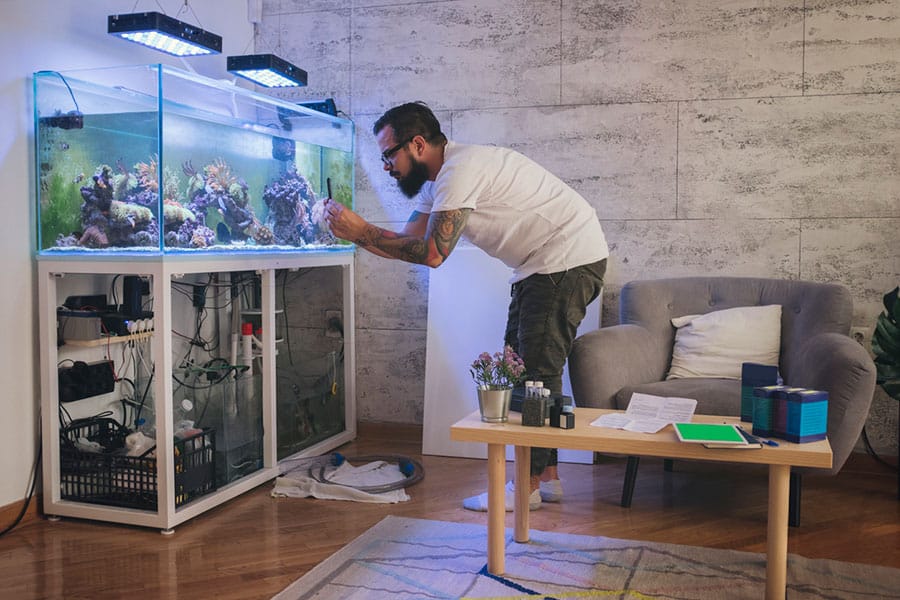
Setting up a new aquarium in your home or business is certainly an exciting prospect. However, creating a healthy aquarium takes a lot more than just adding water and fish. Proper setup and cycling will ensure a stable environment where fish, plants, and beneficial bacteria can thrive.
Whether you’re planning a freshwater aquarium, saltwater tropical fish tank, or planted setup, preparing the tank correctly will make fishkeeping easier and more enjoyable no matter what level of hobbyist you are.
Step 1: Choose the Right Aquarium Setup
Before you even consider buying fish, decide what type of aquarium you want. This is an important step that can’t be rushed, as different fish species have different needs.
Here are some considerations to think about:
- Tank size: Larger aquariums are often easier to maintain because water conditions are more stable.
- Fish species: Research fish compatibility, adult size, temperament, and care requirements.
- Location: Place your aquarium on a sturdy, level surface away from direct sunlight, drafts, and temperature changes.
- Maintenance needs: Choose a setup that matches the level of time, care, and commitment you are willing to put in.
Step 2: Gather Essential Aquarium Equipment
A properly equipped aquarium provides a healthier environment for aquatic life. In general, you will need:
- Tank
- Filtration system
- Heater
- Thermometer
- Aquarium lighting
- Substrate such as gravel or sand
- Decorations or plants
- Water conditioner
- Water testing kit
The most important part of the aquarium is actually the filter because it supports the growth of beneficial bacteria that ensure water safety.
Step 3: Prepare Your Aquarium
Prepare your tank before adding fish. You should:
- Rinse gravel, decorations, and equipment with clean water.
- Add substrate and arrange decorations.
- Install the filter, heater, and lighting.
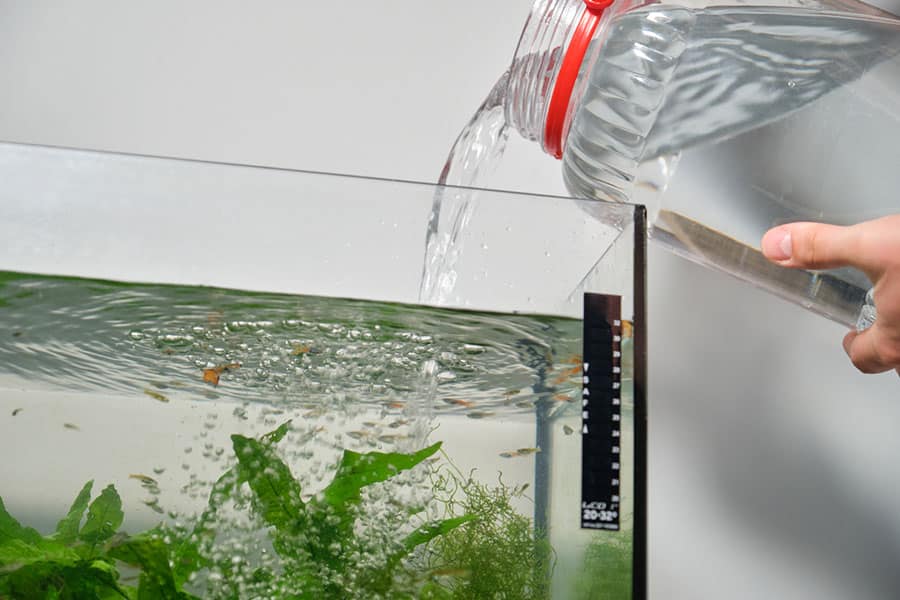
- Fill the tank with water.
- Add water conditioner to remove harmful chemicals from tap water.
- Turn on equipment and make sure everything is working correctly.
Do not use soap or household cleaners, as they leave behind chemicals that can harm fish.
Step 4: Understand the Aquarium Cycle
Cycling an aquarium involves establishing beneficial bacteria that process fish waste.
Fish waste creates ammonia and nitrite which are both toxic to fish. Nitrate can also be harmful at high levels, but regular water changes and live plants can keep these levels under control.
This is where the importance of cycling lies: this natural process (called the nitrogen cycle) builds enough beneficial bacteria to convert harmful substances into safer forms.
Step 5: Cycle Your Aquarium
Choose hearty starter fish to start the process of cycling your aquarium. Fish like tetras, rasboras, certain cichlids in freshwater, and damsels or clownfish in saltwater make good starter fish. Make sure not to overstock during cycling.
During cycling:
- Feed fish very sparingly.
- Add a beneficial bacteria supplement.
- Test water regularly.
- Monitor ammonia, nitrite, and nitrate levels.
- Wait until ammonia and nitrite return to safe levels.
Step 6: Add Fish Slowly
Now it’s time to introduce more fish gradually, as adding too many at once can overload your biological filtration system.
- Don’t overcrowd them.
- Research each species before buying.
- Acclimate fish slowly to their new environment.
- Observe fish behavior after introduction.
- Make adjustments as needed.
Step 7: Maintain Your Aquarium
Creating a healthy routine for your aquarium will ensure that your fish thrive in their environment. Be sure to:
- Test the water weekly.
- Perform partial water changes.
- Remove excess waste.
- Clean equipment when needed.
- Check temperature and filtration.
- Feed fish appropriately.
- Avoid replacing filter media too often, as it contains beneficial bacteria.
Creating a Healthy Underwater World
A successful aquarium is a balanced ecosystem that develops over time. By choosing the right equipment, cycling your tank properly, and maintaining good water quality, you can foster an environment where fish live healthy and active lives.
Visit Moby Dick Pet Store
Looking for aquarium setup and cycling advice? Visit us here at Moby Dick Pet Store or call us at 248-673-2520. Our staff would be happy to walk you through the process and provide recommendations as to fish and supplies.