🐟 (248) 673-2520

Freshwater Success: 7 Common Mistakes New Fish Keepers Make

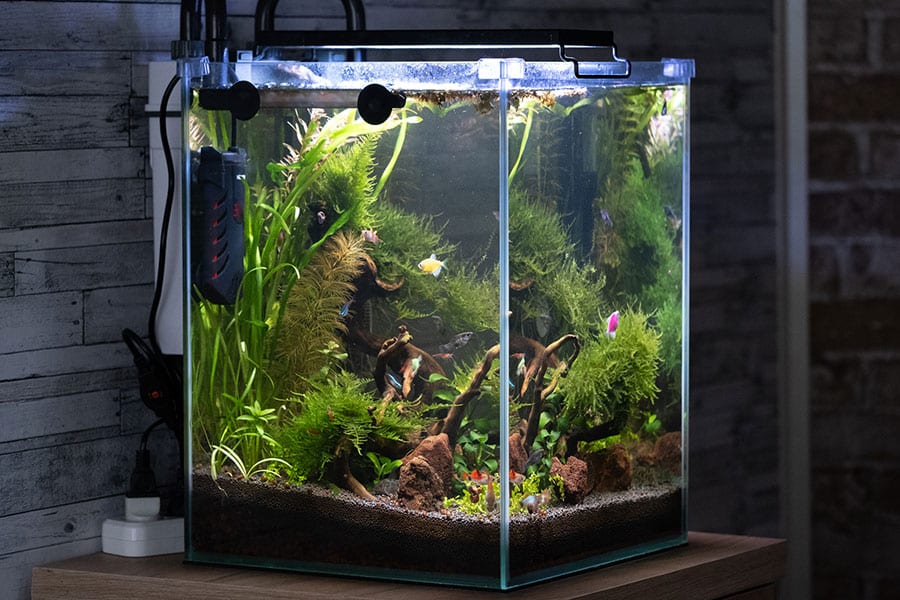
Starting a freshwater aquarium is one of the most rewarding hobbies available, but many beginners experience problems that could easily be avoided. Understanding a few common mistakes can help create a healthier environment for your fish and a more enjoyable experience for you.

1. Adding Fish Too Quickly

One of the biggest mistakes new aquarium owners make is introducing too many fish at once. Aquariums require beneficial bacteria to develop and stabilize. Adding livestock gradually allows the biological filtration system to keep up with waste production.

2. Choosing Fish Based on Appearance Alone

Many beautiful fish have specific care requirements or may not be compatible with other species. Before purchasing fish, it’s important to consider adult size, temperament, water parameters, and tank size requirements.

3. Overfeeding

Fish often appear hungry even when they’ve had enough food. Excess food can quickly affect water quality and increase algae growth. Feeding small portions once or twice daily is usually sufficient for most community aquariums.

4. Skipping Water Testing

Water quality plays a major role in fish health. Regular testing helps identify issues before they become serious problems. Monitoring ammonia, nitrite, nitrate, and pH levels can prevent many common aquarium challenges.

5. Ignoring Tank Maintenance

Routine maintenance is essential for long-term success. Regular water changes, algae removal, filter maintenance, and equipment inspections help keep fish healthy and water conditions stable.

6. Purchasing the Wrong Equipment

Not all aquariums require the same filtration, lighting, or heating systems. Choosing equipment designed for your specific fish and plants can make maintenance easier and improve overall results.

7. Failing to Ask Questions

One of the greatest resources available to aquarium hobbyists is expert advice. Experienced aquarium professionals can help match fish to your tank, recommend equipment, and provide guidance for solving problems.

Frequently Asked Questions

How often should I change aquarium water?
Most freshwater aquariums benefit from partial water changes every one to two weeks.

Can I mix any freshwater fish together?
No. Some species are aggressive, while others have specialized water requirements.

Do live plants help aquariums?
Yes. Live plants can help improve water quality, create natural hiding places, and enhance the appearance of the tank.

Building a successful freshwater aquarium starts with proper planning, quality livestock, and reliable information. With the right approach, your aquarium can provide years of enjoyment while creating a thriving underwater ecosystem.
Everything About Exotic Pets from Amphibians to Zebra-Danios

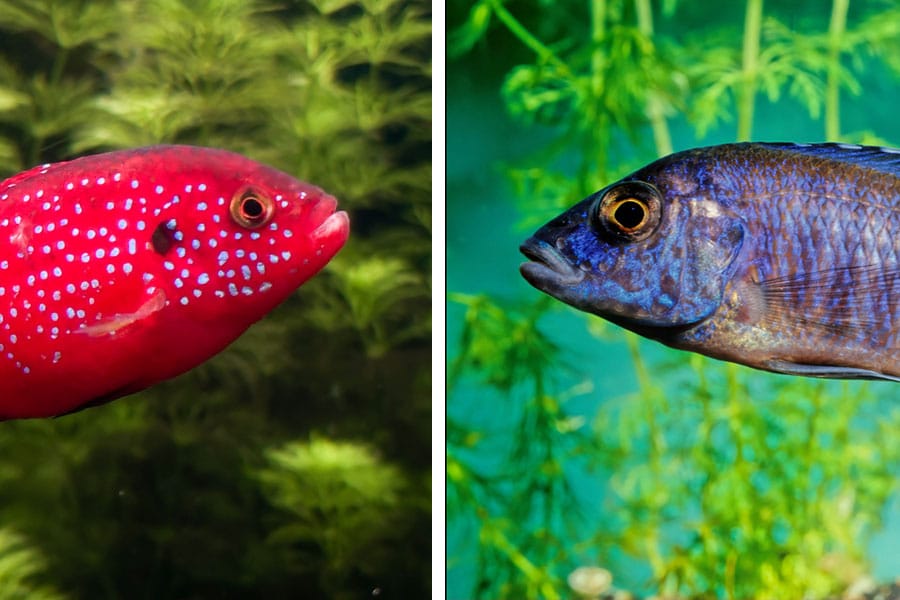
A split image shows a bright red fish with blue spots on the left and a deep blue fish on the right, both facing each other with green aquatic plants in the background—perfect for illustrating differences between vibrant Central/South American cichlids and striking African cichlids.

Central/South American vs. African Cichlids: Frequently Asked Questions

Cichlids (pronounced SICK-lids) are one of the most colorful, intelligent, and fascinating groups of freshwater fish available to aquarium hobbyists. With hundreds of species found ...

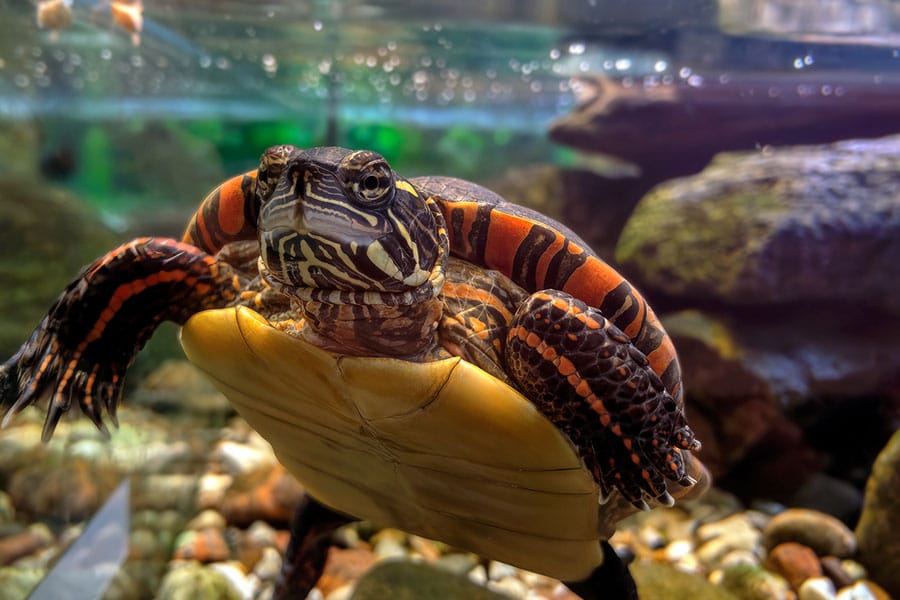
A close-up of an aquatic turtle swimming underwater, with colorful markings on its head and legs, and rocks visible in the background.

Aquatic Turtle Care Guide

About: Freshwater turtles are native to many different areas of the world. Most turtles will live anywhere from 20-50+ years and range in size from ...

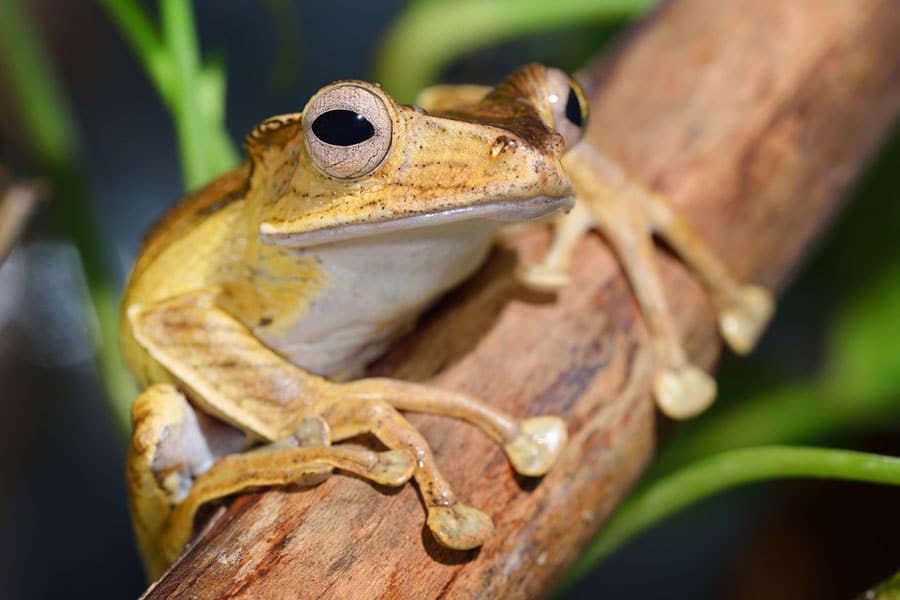
A close-up of a brown tree frog with large eyes sitting on a branch, with green leaves blurred in the background—capturing the unique beauty of amphibians and reptiles alike, much like those highlighted in any comprehensive turtle guide or aquatic turtle care manual.

Borneo Eared Frogs Care Guide

About: Borneo Eared frogs, also known as the file eared tree frog, are arboreal frogs found in the forests and wetlands of Borneo, Indonesia, and ...

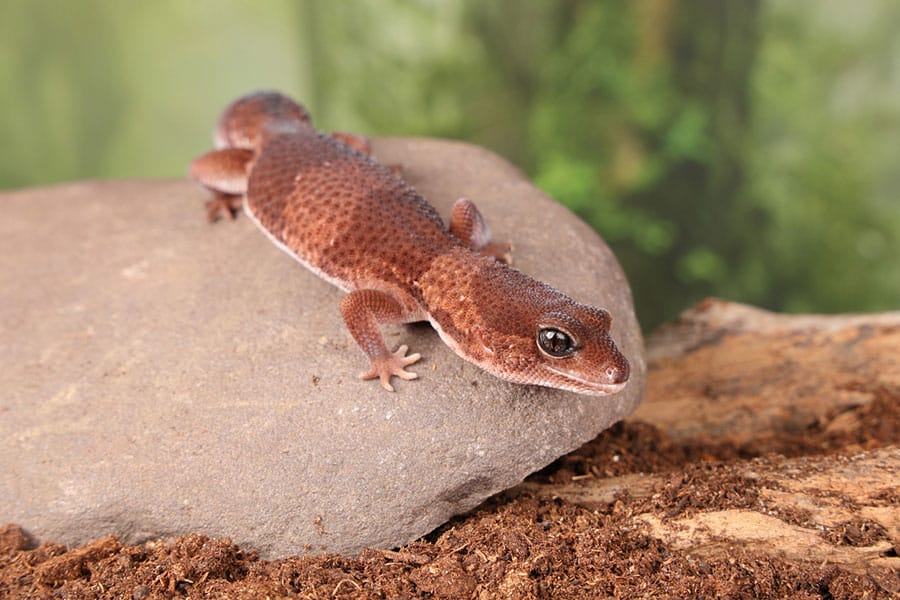
A brown gecko with textured skin and large eyes rests on a gray rock, surrounded by soil and blurred green foliage in the background, creating a tranquil scene reminiscent of those found in aquatic turtle care environments.

Fat Tailed Gecko Care Guide

About: African fat tailed geckos are a ground-dwelling species found in West Africa and Cameroon. On average, fat tails grow about 8-10 inches in length, ...

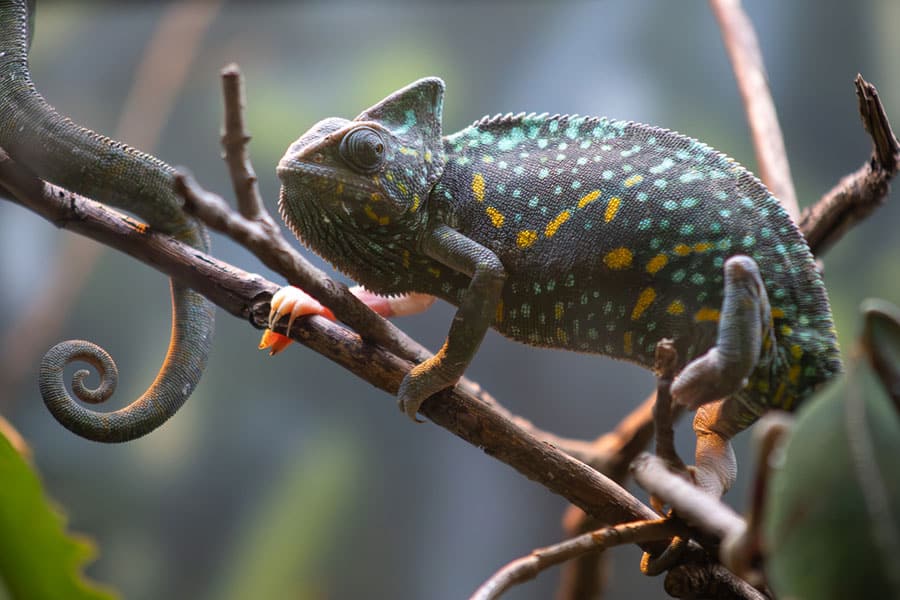
A colorful chameleon with green, yellow, and blue spots rests on a brown branch. Its curled tail and textured skin are visible, with blurred greenery in the background—creating a vibrant scene reminiscent of those highlighted in any detailed turtle care guide for aquatic turtles.

Veiled Chameleon Care Guide

About: Chameleons are a diurnal (awake during the day) reptile, native to Africa, and a few countries in southern Europe. Veiled chameleons stop growing when ...

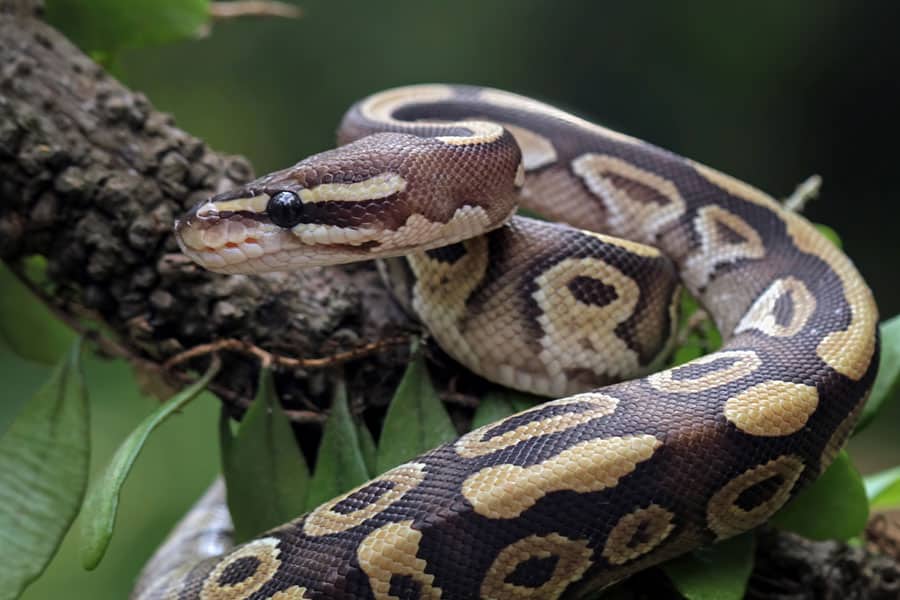
A ball python with brown, tan, and yellow markings is coiled around a tree branch with green leaves, set against a blurred green background—an enchanting scene reminiscent of habitats detailed in an aquatic turtle care guide for those interested in reptile environments.

Ball Python Care Guide

About: Ball pythons are a terrestrial species of constricting snake native to western and central Africa. They are crepuscular, which means they are mostly active ...

Click Here To Discover More