🐟 (248) 673-2520

Whites Tree Frog Care Guide

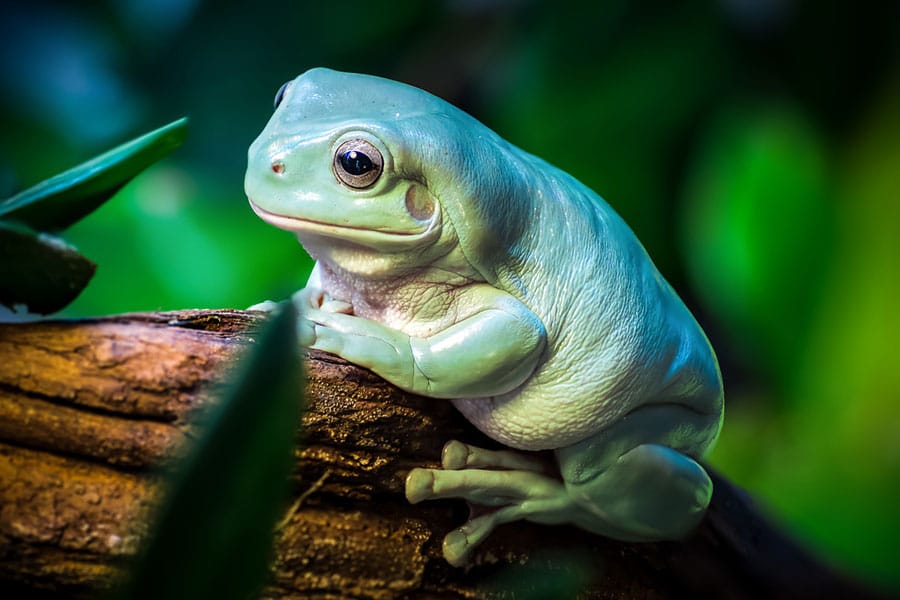
About: Whites tree frogs, also commonly known as Dumpy tree frogs, are native to Australia and Southern New Guinea. They can grow anywhere from 3-5 inches, with the females typically being larger, and they will live 15-20 years in captivity. Like many tree frogs, they are super social, and thrive in pairs or small groups.

Lighting: Whites tree frogs will need a small heat lamp on top of the tank. They like to have a daytime temperature of around 75-80°F, with a basking spot of about 85°F. Nighttime temperatures can comfortably drop down to around 65-70°F. Using a heat mat is not usually recommended, as it can often burn the frogs.

UVB is a type of light that is produced from the sun, and will help process calcium, help make stronger bones and give vitamins that the sun would normally give. Whites frogs are active during the night, so they don’t need the same UVB requirements other amphibians or reptiles need. It is still highly recommended, and can greatly improve their health, but it is not required for survival.

Tank: Whitesfrogs are arboreal, so a taller tank is going to be better than a longer one.For one or two adult whites frogs, a 18 x 18 x 24 is considered a minimum tank size.  An ideal tank size would be a 36 x 18 x 36, or anything bigger. Having a bigger tank can allow for more comfort, room for exploring, and a happier frog.

Whites tree frogs like to have a humidity of about 50-70%, so you want to use any substrate that will hold moisture well. One of the best options is a mix of coconut coir, any reptile-safe soil, and moss. Misting the tank every other day will also help keep the humidity up.

Feeding and Watering: Whites frogs love to eat! Babies will typically eat 2-4 insects every day, and adults will usually eat 3-6 insects about 3-4 times a week. They can eat a variety of insects, including crickets, roaches and worms. Whatever you choose to feed, make sure that the insect is gut loaded (recently fed) to help ensure there is plenty of nutrients for the frog. The insects should also be lightly dusted in calcium powder, to help ensure your frog doesn’t get any bone diseases, which can be unfortunately common in tree frogs.

Frogs should have fresh water daily to help keep them healthy.

Whites Tree Frog Supplies Checklist

  • Tank
  • Screen lid
  • Lid clamps
  • Foliage
  • Water bowl
  • Thermometer
  • Hydrometer
  • Light fixture
  • Heat bulb
  • UVB
  • Mister
  • Substrate
  • Moss
  • Tongs
  • Critter keeper
  • Calcium

Have More Questions? Call the Experts at Moby Dick Pet Store at (248) 673-2520
Cartoon illustration of a smiling blue whale with dark spots on its back and a light blue belly, set against a plain white background—perfect for anyone who appreciates whimsical animals, whether you love marine life or are searching for a fun addition to your next corn snake guide or snake care project.

Everything About Exotic Pets from Amphibians to Zebra-Danios

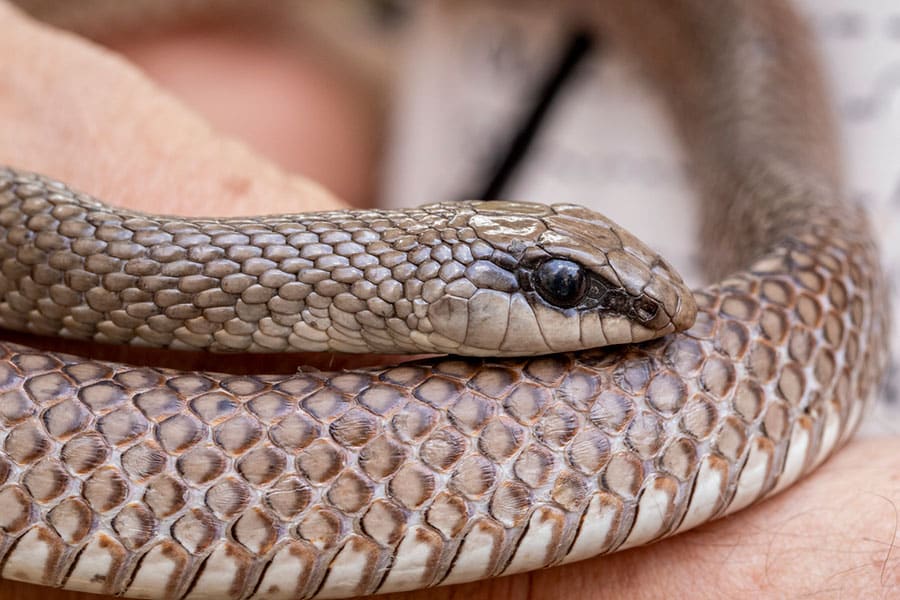
Close-up of a Red Beaked Snake wrapped around a person’s hand, showing detailed scales and a visible eye—perfect for illustrating proper Snake Care techniques.

Red Beaked Snake Care Guide

About: The red beaked snake is a diurnal (active during the day) carnivore native to North America. While this snake is venomous, they are very ...

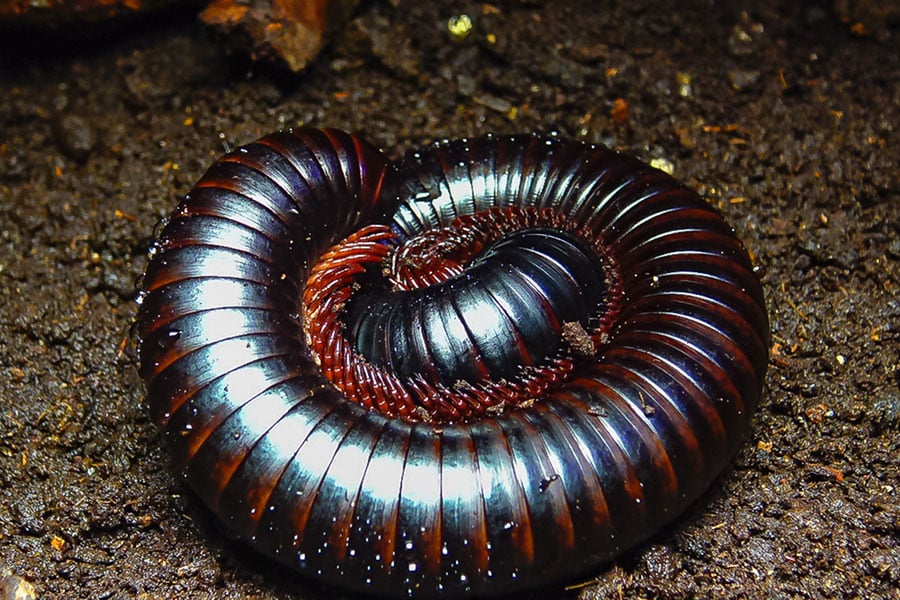
A shiny, black and brown millipede is curled into a tight spiral on dark, moist soil—an ideal scene for anyone interested in millipede care or seeking a practical millipede guide.

Millipede Care Guide

About: Millipedes are a slow-moving, segmented arthropod found all across the world. Even though their name means “a thousand feet,” most species have between 40 ...

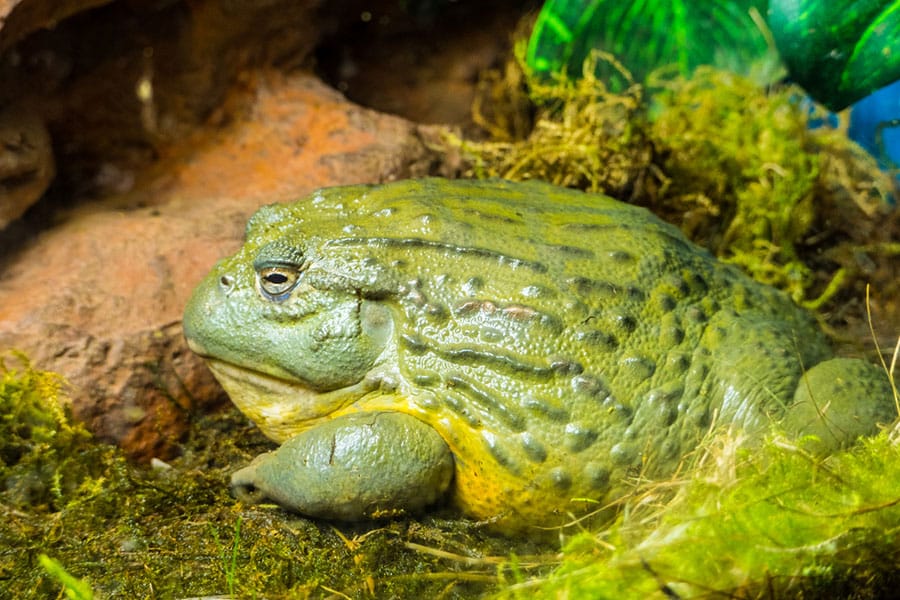
A large, greenish African bullfrog—commonly known as a Pixie Frog—rests on mossy ground with textured skin and a round body, surrounded by rocks and green foliage. Perfect for those interested in Pixie Frog care, this tranquil scene highlights the ideal environment described in any comprehensive care guide.

Pixie Frog Care Guide

About: The pixie frog, also known as the African edible bullfrog, is a large species of frog native to Southern, Central, and Eastern Africa. Adult ...

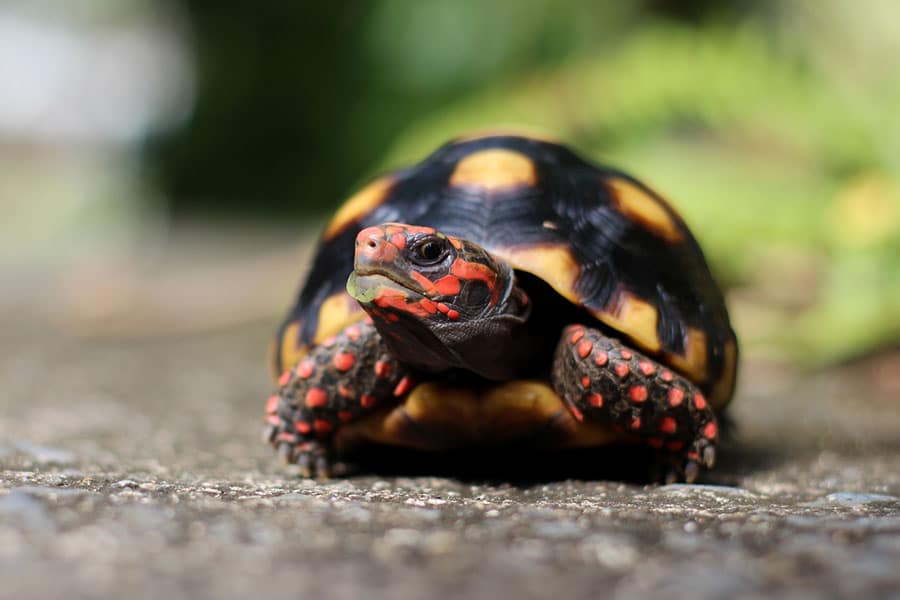
A close-up of a Red Foot Tortoise with a black and yellow shell and vivid red and orange markings on its head and legs, resting on a stone surface with green foliage blurred in the background—perfect for any Red Foot Tortoise Guide or those interested in tortoise care.

Red Foot Tortoise Care Guide

About: Red foots are native to northern South America, and are considered a medium sized tortoise, typically reaching 12-16 inches as adults. Red foots usually ...

A close-up of an Electric Blue Day Gecko with striking black markings perched on a brown branch, set against a dark background—perfect for anyone interested in gecko care or seeking inspiration for their next care guide.

Electric Blue Day Gecko Care Guide

About: Electric blue day geckos are a docile, arboreal (living in the trees) species of lizard native to live only in a very small part ...

A large, well-lit paludarium with lush green plants on rocky backgrounds above water resembles a stunning bioactive terrarium. Various fish swim below, and the setup is built into a white cabinet with handles.

Building Bioactive Terrariums and Backgrounds

A bioactive terrarium brings a little piece of nature indoors by creating a living habitat for your reptile or amphibian. Unlike a traditional setup that ...

Click Here To Discover More