🐟 (248) 673-2520

Crested Gecko Care Guide

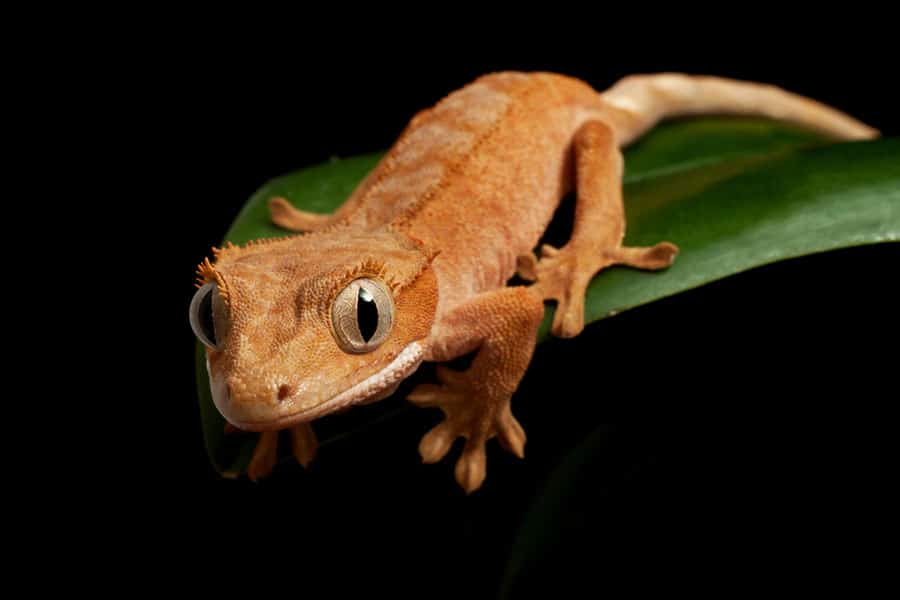
About: Crested geckos are a docile arboreal (living in the trees) lizard native to New Caledonia. When frightened, these lizards will drop their tails to distract the predator and make a quick get away. They are not able to regenerate their tails after this.

These geckos can get eight to ten inches in length, including the tail, and will live from 15-20 years on average. Crested geckos are fairly calm and will often tolerate being handled for short periods of time. They are nocturnal solitary reptiles that make a great first pet due to their easy care and small size.

Lighting: A crested gecko should have an overall temperature of 72-75°F. You likely won’t need a heat source for the tank, especially because temperatures should not exceed 80°F, and shouldn’t drop below 60°F, as it can cause appetite loss, illness or lethargy.

UVB is a type of light that is produced from the sun, and will help process calcium, and give vitamins that the sun would normally give. Crested geckos are active during the night, so they don’t need the same UVB requirements other reptiles need. It is still highly recommended, and can greatly improve their health, but it is not required for survival.

Tank: Because crested geckos like to live in the trees and be higher up, they will need a taller tank rather than a longer one. An 18x18x24 is typically the minimum tank size for an adult crested gecko, but having a bigger tank will give them more room to be active and explore.

Having a lot of foliage is very important to keep geckos feeling safe. They should have lots of places to hide, so using lots of sticks and real or fake plants will help create a lot of natural hiding spots.

Humidity should be around 60-80%. Using a substrate mix like coir, any reptile safe dirt and moss, will help keep the humidity up.

Feeding and Watering: Crested geckos are omnivores, but they do not eat vegetables. Instead, they eat fruit, nectar, and insects. Many pet stores offer pre-made fruit mix that you add water to, or you can give them fresh fruit by mashing up any safe fruit like bananas, strawberries, or blueberries. Insects like crickets, dubias, or meal worms can be offered 2-3 times a week. These insects should be dusted in calcium powder to help prevent Metabolic Bone Disease (MBD) which is common in reptiles that don’t have calcium supplements.

Crested Gecko Supplies

  • Screen lid
  • Lid clamps
  • Foliage
  • Water bowl
  • Thermometer
  • Hydrometer
  • UVB
  • Mister
  • Substrate
  • Moss
  • Tongs
  • Critter keeper
  • Calcium

Everything About Exotic Pets from Amphibians to Zebra-Danios

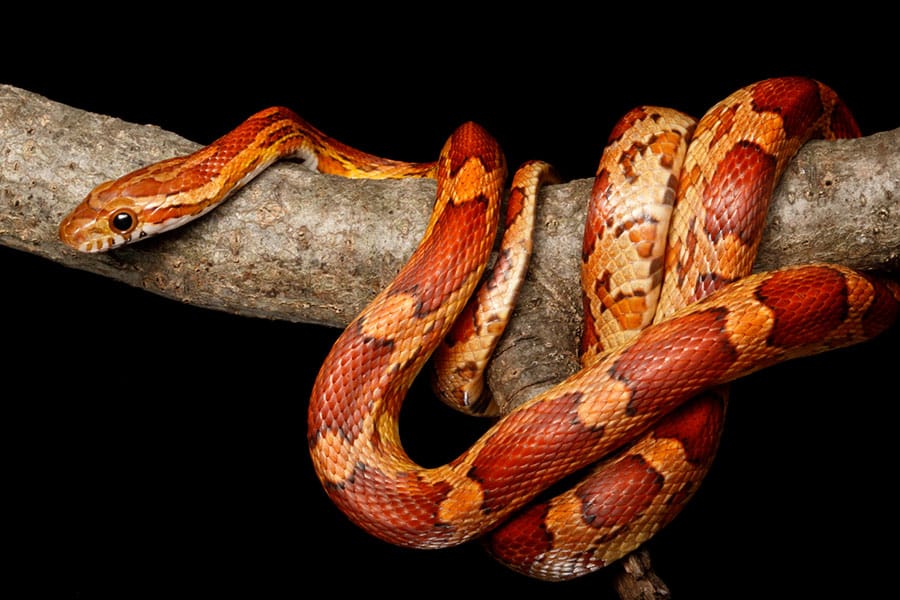
A vibrant orange and red corn snake is coiled around a tree branch against a solid black background, perfectly showcasing the striking beauty often highlighted in any Corn Snake Guide.

Corn Snake Care Guide

About: Corn snakes are a nonvenomous species of North American ratsnake, which have become very popular pets for beginner reptile keepers, as they are very ...

An orange crested gecko rests on a green leaf against a black background, looking directly at the camera with wide eyes and textured skin—a perfect portrait for anyone passionate about crested gecko care.

Crested Gecko Care Guide

About: Crested geckos are a docile arboreal (living in the trees) lizard native to New Caledonia. When frightened, these lizards will drop their tails to ...

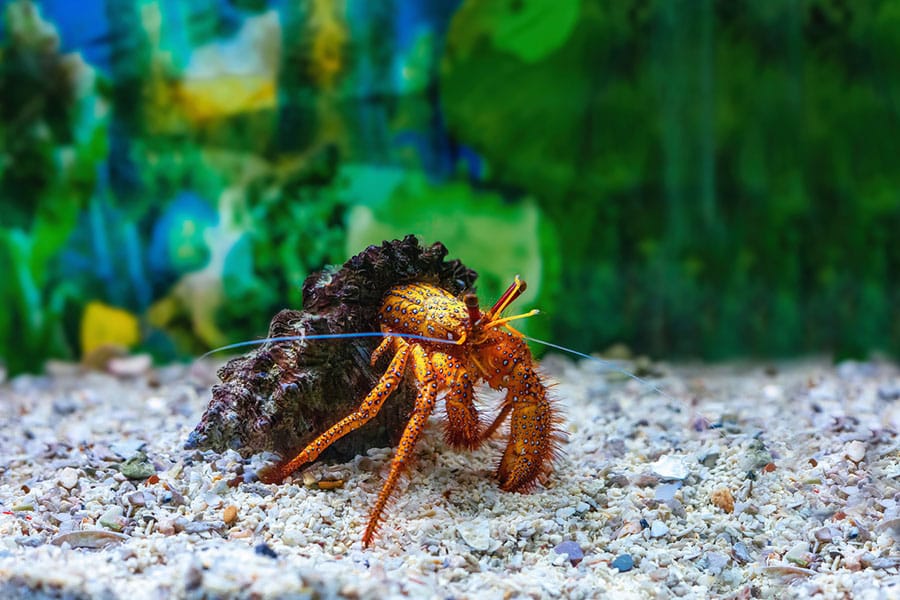
A bright orange hermit crab with long antennae crawls on white gravel, carrying a textured dark shell, with a blurred green and blue background behind it—an ideal example for any hermit crab care enthusiast or those seeking the perfect photo for a hermit crab guide.

Hermit Crab Care Guide

About: Hermit crabs are a type of crustacean, native to coastal regions around the world. Many of the common types of hermit crabs grow to ...

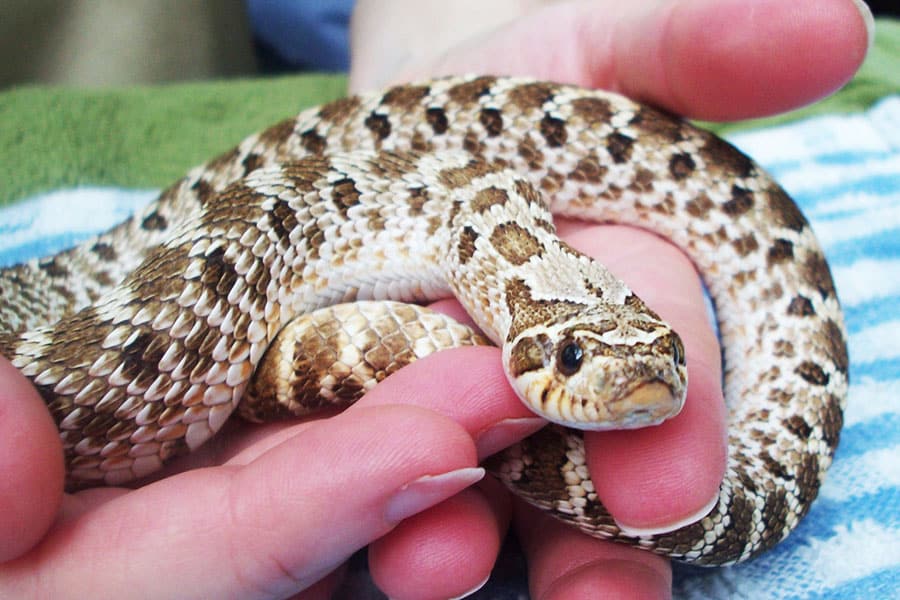
A tan and brown patterned hognose snake is gently held in a person’s hand, resting on a towel with blue and white stripes in the background—a serene moment perfect for any hognose guide or Hognose care resource.

Hognose Care Guide

About: The hognose snake is a diurnal (active during the day) carnivore native to North America. Hognose snakes have a little ‘shovel’ nose, which they ...

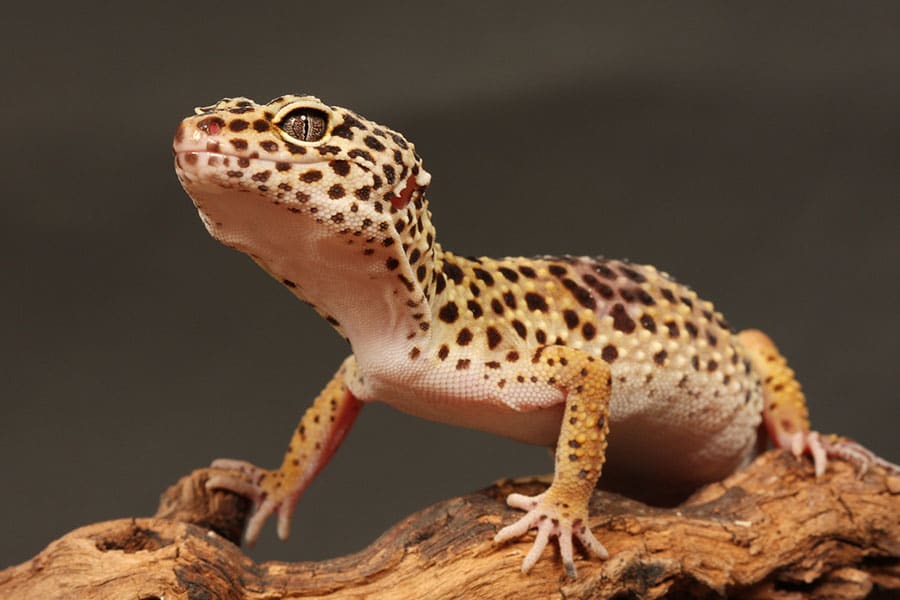
A close-up of a leopard gecko standing on a piece of wood, showing its spotted yellow, white, and brown skin against a dark background—an ideal reference for anyone interested in proper Leopard Gecko Care.

Leopard Gecko Care Guide

About: Leopard geckos are nocturnal, ground-dwelling geckos native to the rocky dry grassland and desert regions of Afghanistan and Pakistan. On average, leopard geckos can ...

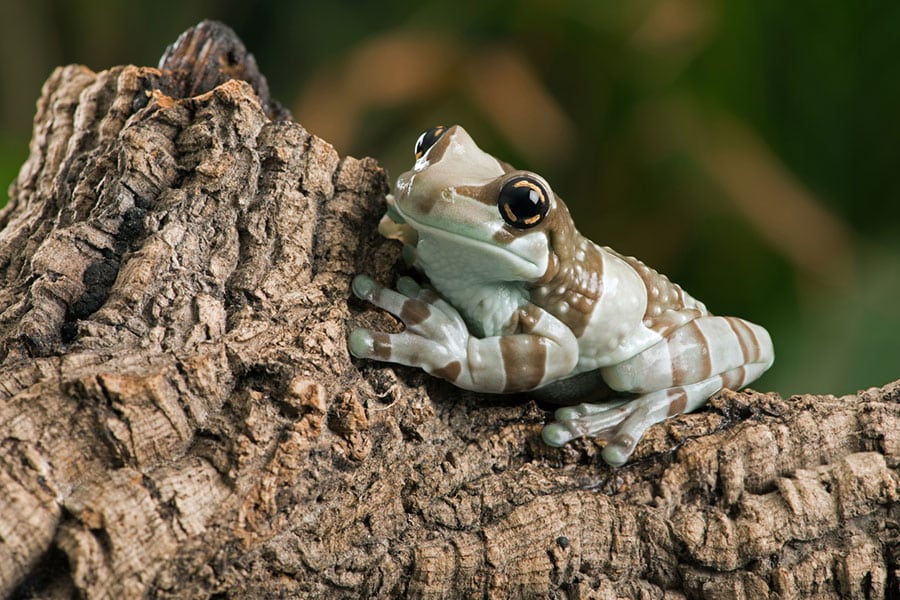
A green and brown Amazon milk frog with large eyes sits on rough, textured tree bark against a blurred green background, showcasing why Amazon Milk Frogs are so popular among pet frogs enthusiasts and amphibians lovers alike.

Amazon Milk Frogs

About: Amazon milk frogs are fairly small frogs native to northern rainforests of South America. They typically only grow to around two to four inches ...

Click Here To Discover More