Owning an aquarium takes more than just a love of fish. To create a beautiful yet safe and functional underwater environment, regular water testing is essential. Whether you have a freshwater tank, saltwater aquarium, or a reef setup, maintaining healthy water conditions is one of the most important parts of successful fish care.
You may think your water is healthy if it looks clear. The truth is, water can look perfectly clean while still containing unsafe levels of ammonia, nitrite, nitrate, or other elements that can stress fish and disrupt the balance of your aquarium.
That’s why regular aquarium water testing is such an important habit. When you understand what’s happening inside your tank, you can identify problems early, make adjustments as needed, and create a healthier environment for your fish.
Why is Aquarium Water Testing So Important?
Unlike pets that can move away from an uncomfortable environment, fish spend their entire lives in their aquarium water. Changes in water chemistry can quickly affect their health and behavior.
Testing your aquarium water regularly helps you monitor important factors such as:
- Ammonia levels
- Nitrite levels
- Nitrate levels
- pH balance
- Water hardness
- Salinity in saltwater tanks
Maintaining proper water conditions supports fish health, encourages beneficial bacteria growth, and helps keep the aquarium ecosystem stable.
Common Aquarium Water Tests
While every aquarium is different, there are many things fish owners should understand from the start. Here’s a look at the most important water tests to use.
Ammonia: The First Warning Sign
Ammonia is produced when fish waste, uneaten food, and decaying plant material break down. In a healthy, established tank, beneficial bacteria help convert ammonia into less harmful compounds.
However, elevated ammonia levels can be dangerous for fish and may lead to stress, illness, or even death.
Ammonia testing is especially important when:
- Setting up a new aquarium
- Adding new fish
- Changing filtration systems
- Experiencing unexpected fish health issues
Nitrite: A Hidden Threat
During the nitrogen cycle, beneficial bacteria convert ammonia into nitrite. While this is a necessary step in maintaining aquarium balance, nitrite can also be harmful when levels get too high.
Regular testing helps ensure your aquarium’s biological filtration system is working properly and that waste products are being processed safely.
Nitrate: Managing Long-Term Water Quality
Nitrate, the final stage of the nitrogen cycle, is less harmful than ammonia or nitrite. However, if left unchecked, it can accumulate over time.
To prevent long-term water quality problems, you can manage high nitrate levels through:
- Regular water changes
- Proper filtration
- Avoiding overfeeding
- Maintaining an appropriate number of fish for your tank size
pH: Creating the Right Environment for Your Fish
pH measures how acidic or alkaline your aquarium water is. Different fish species come from different natural environments, and thus have different pH preferences.
For example, some freshwater fish thrive in softer, more acidic water, while others prefer harder, more alkaline conditions. Maintaining a stable, consistent chemistry level is especially important in saltwater aquariums.
Freshwater vs. Saltwater Testing: What’s the Difference?
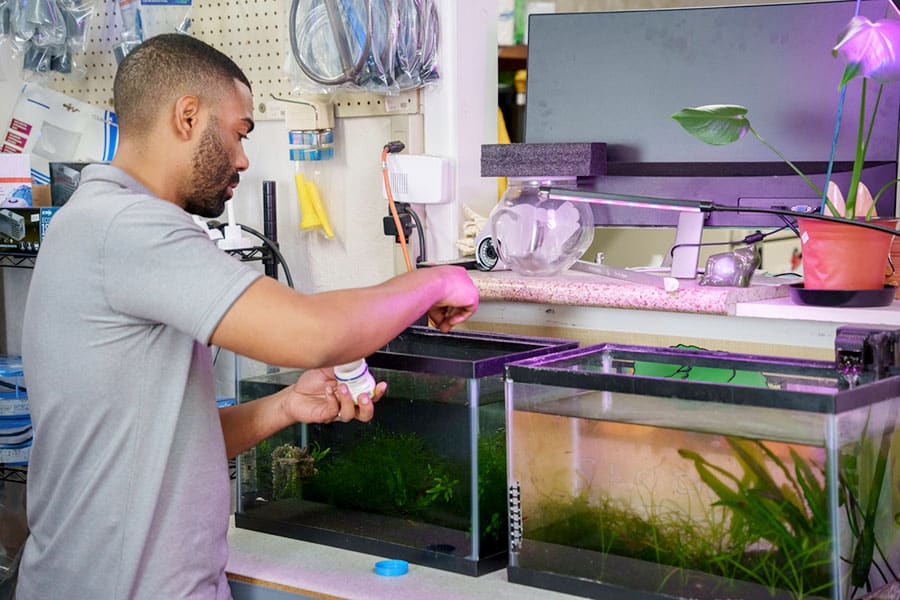
In general, it’s easier to maintain freshwater aquariums than it is for saltwater systems. However, regular water testing is necessary for both.
Freshwater owners should monitor:
- Ammonia
- Nitrite
- Nitrate
- pH
- Hardness
Saltwater aquariums require additional testing due to the complexity of the marine environment. In addition to those above, saltwater hobbyists should monitor:
- Salinity
- Alkalinity
- Calcium
- Magnesium
- Phosphate
These additional tests are especially important for reef aquariums where corals and other sensitive marine life require precise water conditions.
How Often Should You Test Aquarium Water?
This will depend on your aquarium type, the number of fish you have, and how established your tank is.
New aquariums need to be tested more frequently because the biological system is still developing. Established tanks may need less frequent monitoring, but routine testing remains an important part of ongoing maintenance.
Test your water more often when you:
- Introduce new fish
- Start a new aquarium
- Add new plants or decorations
- Change equipment
- Notice unusual fish behavior
- Perform major maintenance
7 Signs Your Aquarium Water May Have Problems
Your fish may show signs of stress when water conditions are not ideal.
Be on the lookout for:
- Fish that stay near the surface of the water
- Rapid breathing
- Loss of appetite
- Unusual hiding behavior
- Lethargy
- Cloudy water
- Excess algae growth
If something seems unusual, testing your water will help to identify the cause.
Choosing the Right Water Testing Method
There are many testing options available:
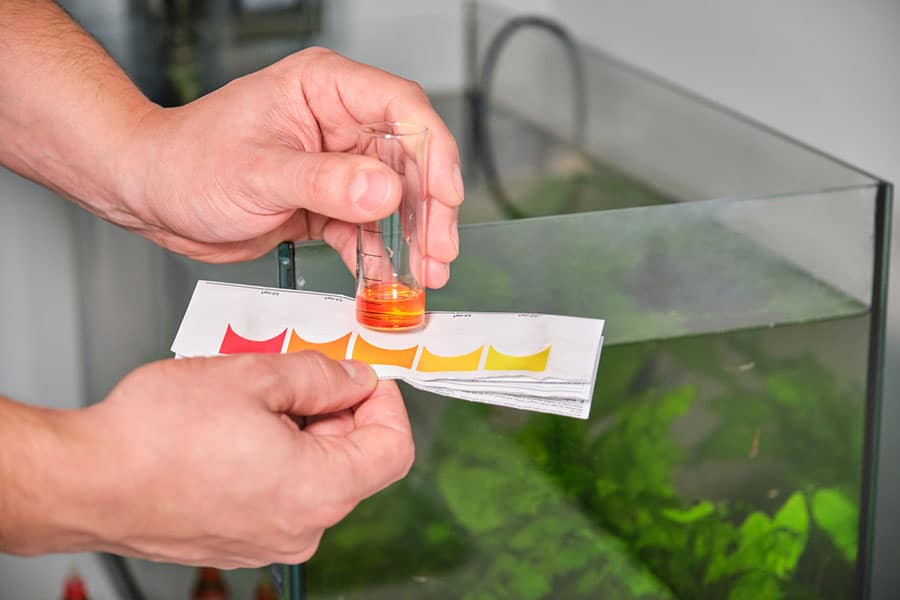
- Test strips are convenient and easy to use, ideal for quick checks.
- Liquid test kits give more detailed results and are popular among experienced hobbyists who value high levels of accuracy.
- Digital testing equipment allow advanced aquarium keepers to more closely monitor specific water parameters, especially in sensitive saltwater and reef systems.
The testing method you choose will depend on the type of aquarium, your experience level, and the needs of your fish.
Keep Your Fish Healthy With Routine Testing
Aquarium water testing is one of the simplest ways to protect your fish and maintain a healthy tank. By regularly checking water conditions, you can catch potential issues early, provide better care, and give your fish the most stable environment possible.
Visit Moby Dick Pet Store
The staff here at Moby Dick Pet Store can help you choose the right testing supplies, interpret your results, and find solutions for keeping your aquarium healthy. Visit us or call us at 248-673-2520 for expert guidance.