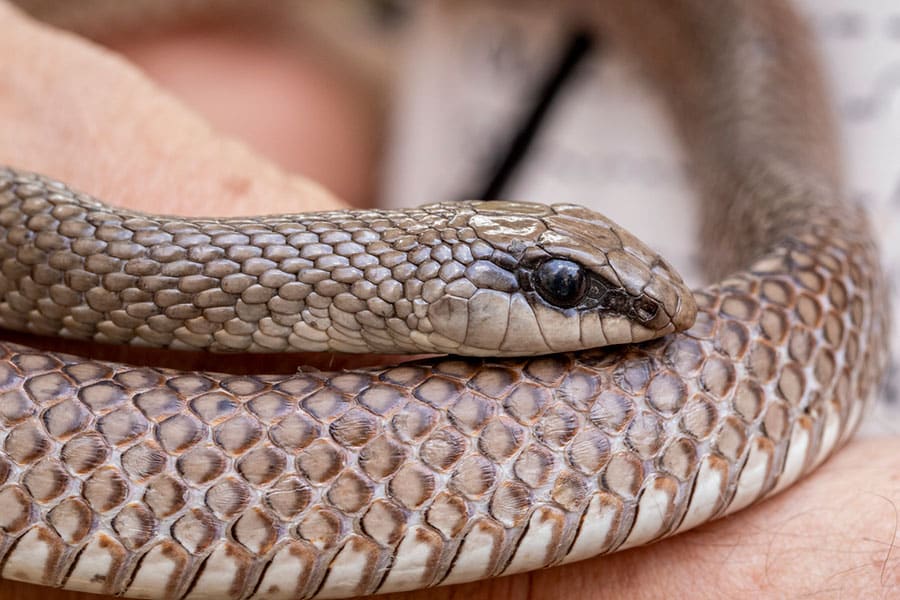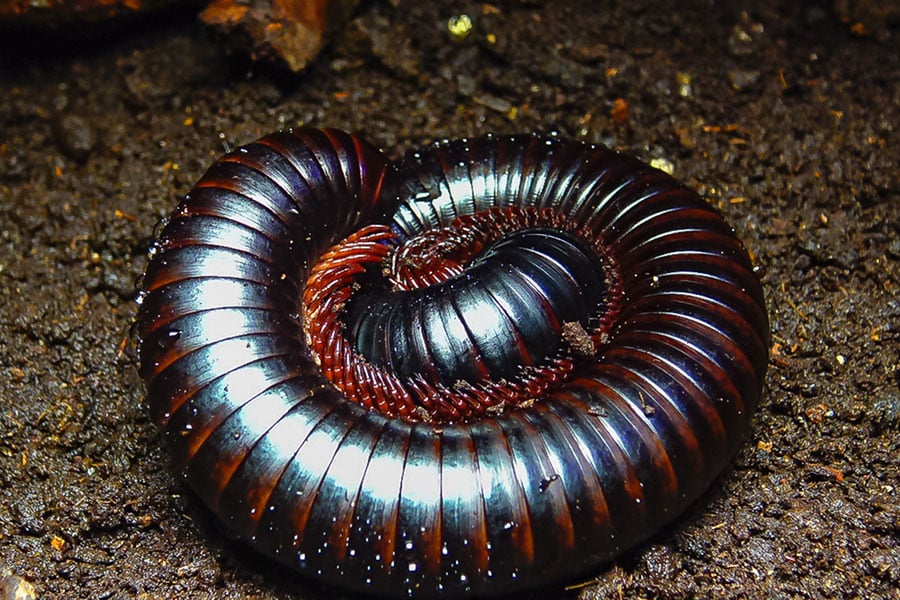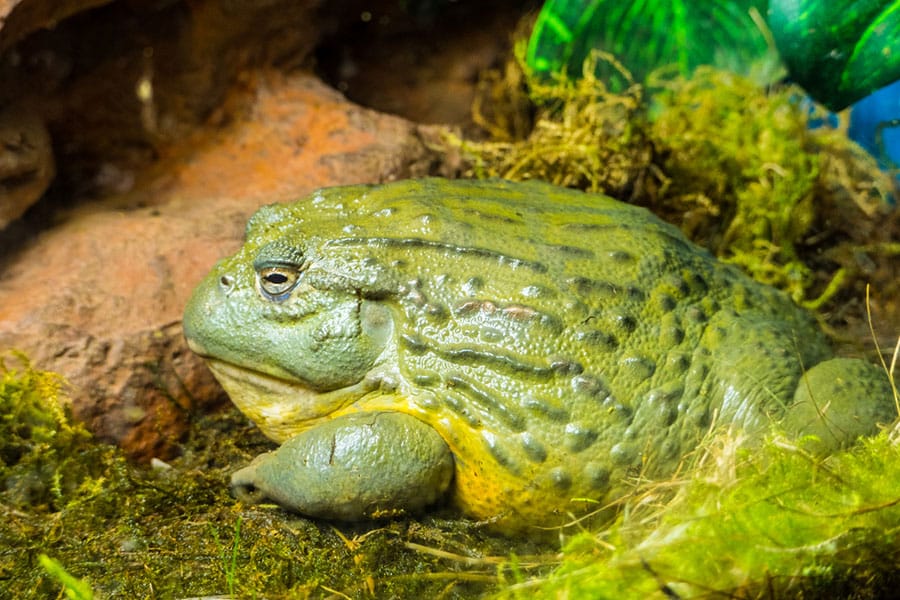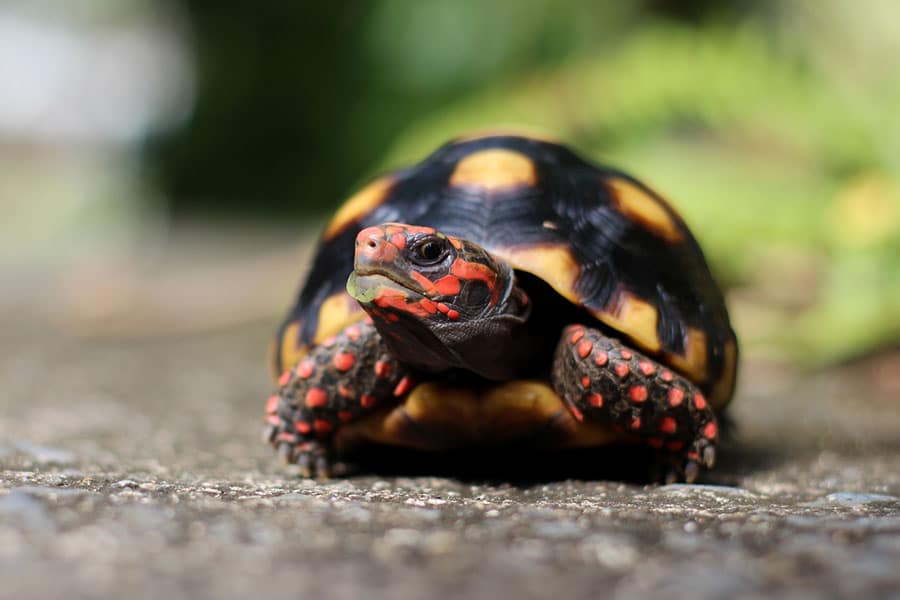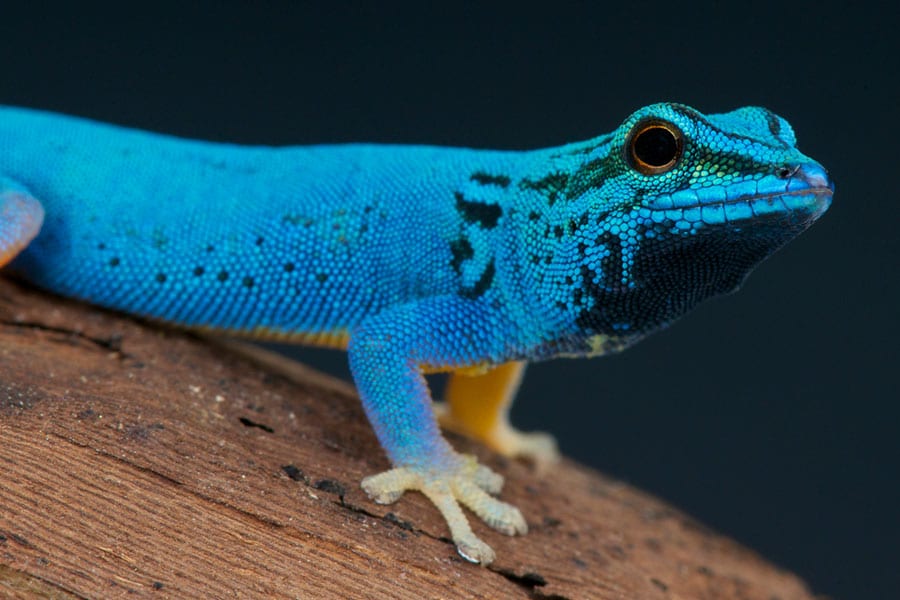
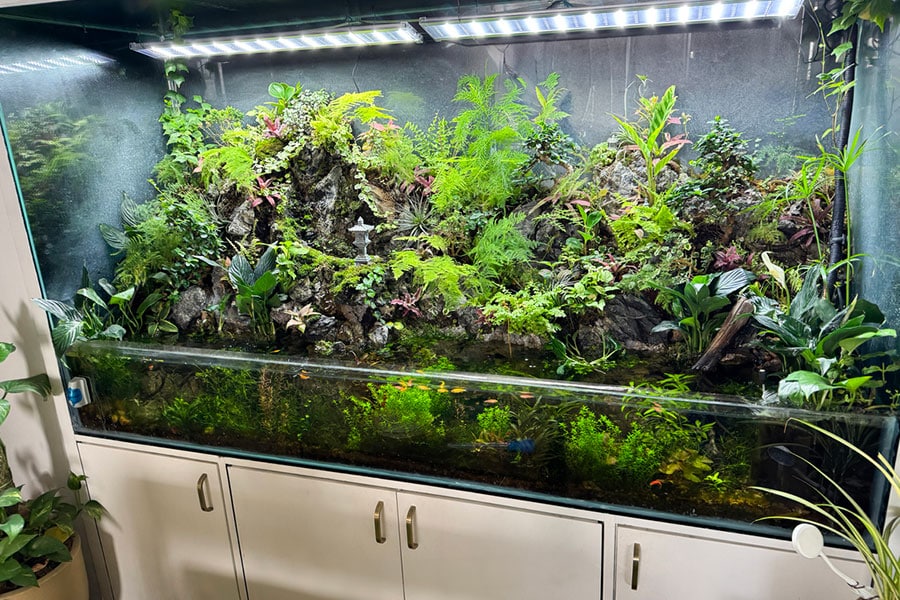
A bioactive terrarium brings a little piece of nature indoors by creating a living habitat for your reptile or amphibian. Unlike a traditional setup that relies primarily on artificial décor and routine substrate replacement, a bioactive enclosure incorporates natural materials, live plants and beneficial organisms that work together to create a more self-sustaining ecosystem.
But there’s no one-size-fits-all bioactive setup. The right habitat depends on the reptile or amphibian you plan to keep.
Start With Your Animal’s Needs
Temperature, humidity and lighting requirements vary significantly by species. Even your home’s environment matters. A house with central air conditioning, for example, may require a different approach to heating and humidity than a warmer home.
Some animals are also more beginner-friendly than others. Leopard geckos are popular among newer reptile keepers, while Uromastyx generally have more specialized requirements, including high temperatures and an herbivorous diet. Dart frogs present another challenge because maintaining appropriate humidity is particularly important.
That’s why you should choose your animal before designing the habitat around it.
What Goes Into a Bioactive Terrarium?
Depending on the species, a bioactive setup might incorporate:
- Appropriate substrate, including clay-based substrates that can mimic hard desert floors
- Rocks and hiding areas
- Live plants to create a natural environment and help maintain humidity
- Proper heating and lighting
- Springtails and isopods as part of the enclosure’s cleanup crew
- Appropriate ventilation or humidity-retaining covers
Live plants are generally preferable to artificial ones in a bioactive environment, although they need to be safe for the animal. Moby Dick Pet Store associates can help you identify which plants and habitat materials to use, and which ones to avoid.
For high-humidity species, enclosure design matters too. A glass top, for example, can help retain humidity where a screen top would allow too much moisture to escape.
Don’t Forget the Background

A custom terrarium background does more than make an enclosure look impressive. Backgrounds can incorporate natural-looking rock formations, ledges, planting areas and other features that add dimension to the habitat and create opportunities for animals to climb, hide and explore.
The design should complement the animal rather than simply decorate the enclosure. Moby Dick can help you plan a background that works with the rest of your bioactive habitat.
Give Your Bioactive Setup Time
Whenever possible, build the habitat at least a day before introducing your animal. This gives you time to make sure temperatures, humidity, lighting and other conditions are where they should be before your new resident moves in.
Bioactive doesn’t mean maintenance-free, either. Food and water dishes should be cleaned daily, with more thorough substrate cleaning performed periodically: typically every six months, depending on the animal and enclosure.
Troubleshooting Your Bioactive Terrarium
One advantage of shopping locally is having someone to ask when things don’t go as planned.
Are your plants dying? They may need more water or nutrients — or your reptile may simply be destroying them. Seeing mold? Springtails consume mold and decaying organic material, so persistent mold could indicate that your cleanup crew needs attention.
At Moby Dick Pet Store, all of our springtails are bred in-store, while our isopods are either bred in-store or sourced locally. We’ll help you choose an appropriate cleanup crew and understand how to maintain it.
Build Your Bioactive Habitat With Moby Dick Pet Store
Bioactive terrariums can provide a natural, engaging environment, but successful setups begin with understanding the animal that will live there. From substrate and live plants to lighting, heating, cleanup crews and custom backgrounds, the pieces need to work together.
Visit Moby Dick Pet Store and talk with our friendly, knowledgeable team. Whether you’re starting your first bioactive terrarium or troubleshooting an established habitat, we’ll help you create an environment designed around your animal’s needs. Call us anytime at (248) 673-2520 to ask questions.