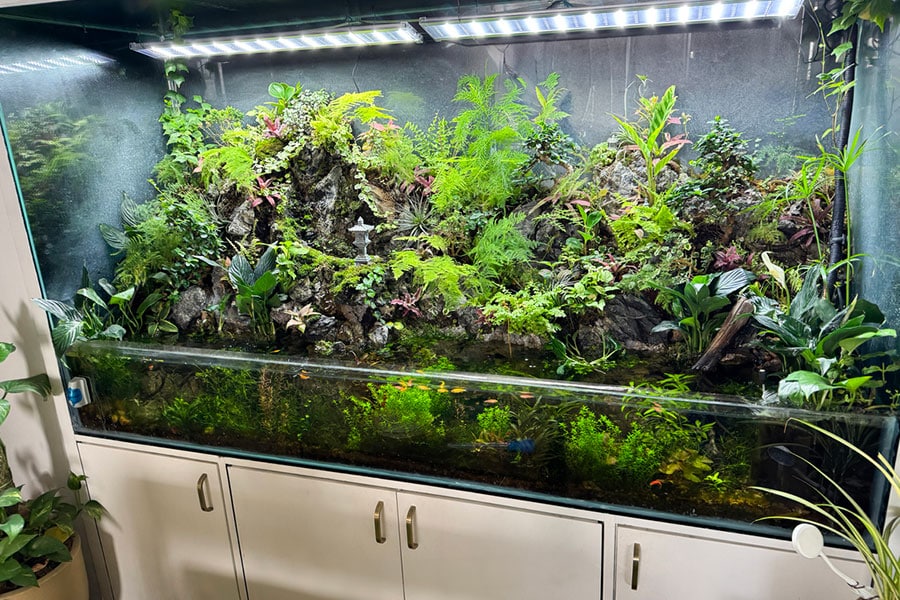
A terrarium creates a healthy habitat for reptiles, amphibians, insects, and plants that hobbyists of all levels enjoy. However, a well-designed terrarium provides more than just a decorative enclosure for wildlife. It’s a living ecosystem designed to support animal health, natural behaviors, and easier long-term care.
A bioactive terrarium takes this concept further by recreating natural processes found in the wild. Instead of simply cleaning waste from the enclosure, a bioactive setup uses living plants, beneficial microorganisms, and cleanup organisms to maintain balance.
Whether you are setting up your first terrarium or upgrading an existing enclosure, understanding these basics will help you create a thriving environment.
What is a Bioactive Terrarium?
A bioactive terrarium is a planted enclosure designed to function more like a natural ecosystem. A successful bioactive setup includes:
- Living plants that provide shelter, humidity control, and natural beauty
- Beneficial bacteria that help break down organic waste
- Cleanup crew animals such as springtails and isopods that consume waste and decaying material
- A layered substrate system that supports plant growth and healthy microorganisms
Step 1: Choose the Right Enclosure
It’s important to start things off right by selecting a terrarium that matches your animal’s needs. Be sure to do your homework on humidity, temperature, and space requirements before setup, as different species require different environments:
- Size: Choose an enclosure appropriate for the animal’s adult size.
- Ventilation: Proper airflow prevents mold and stagnant conditions.
- Lighting: Many reptiles and plants require specific lighting conditions.
- Access: Front-opening enclosures often make feeding and maintenance easier.
Step 2: Build the Foundation Layers
A bioactive terrarium needs multiple layers for proper drainage and healthy soil conditions.
A basic setup includes:
- Drainage Layer: Typically comprised of gravel, this is the bottom layer that keeps excess water from gathering in the soil.
- Barrier Layer: A mesh or separator layer keeps the soil from mixing into the drainage area, maintaining proper structure and preventing the substrate from becoming saturated.
- Substrate Layer:This is where plants grow and cleanup organisms live. This layer should hold moisture, allow for proper airflow, support plant roots, and encourage beneficial microorganisms.
Step 3: Add Plants and Decorations
Plants create a natural look to your terrarium, but choose them carefully to support the health of your unique animal:
- Tropical plants for humid habitats
- Hardier plants for drier setups
- Climbing plants for arboreal species
- Ground plants for added cover
In addition to plants, you can also add natural features for climbing and hiding such as branches, cork bark, rocks, and leaf litter.
Step 4: Introduce the Cleanup Crew
The cleanup crew, one of the most important parts of a bioactive enclosure, helps recycle nutrients and ensure a healthy substrate. Common choices include:
- Springtails: Tiny organisms that consume mold and decaying material
- Isopods: Small decomposers that break down waste and organic matter
Step 5: Establish the Habitat Before Adding an Animal
Never add an animal immediately after building the enclosure, as it takes time for the terrarium to stabilize.
Before introducing your pet:
- Check temperature levels
- Monitor humidity
- Confirm plants are established
- Make sure the cleanup crew is active
- Watch for mold or drainage issues
Maintaining a Bioactive Terrarium
From deep cleaning to frequent monitoring, bioactive terrariums require regular maintenance routines such as:
Daily
- Observe animal behavior
- Confirm temperature and humidity
- Remove uneaten food
Weekly
- Inspect plants
- Monitor moisture levels
- Spot clean waste
Monthly
- Trim plants
- Refresh leaf litter
- Check equipment
With the right combination of substrate, plants, microorganisms, and proper care, a terrarium and bioactive enclosure can provide a healthier and more natural environment for your animal.
Visit Moby Dick Pet Store
Visit us at Moby Dick Pet Store or call us at 248-673-2520 to inquire about the supplies, advice, and essentials you need to create a healthy terrarium or bioactive enclosure for your pet.