When considering a new pet for your home, reptiles and amphibians are often intriguing choices. Both groups offer fascinating behaviors, unique appearances, and rewarding care experiences, but they differ in crucial ways that prospective pet owners should understand. At Moby Dick Pet Store, we believe informed decisions lead to happier pets and owners. Let’s explore what sets reptiles and amphibians apart, so you can choose the companion best suited to your lifestyle.
What Are Reptiles?
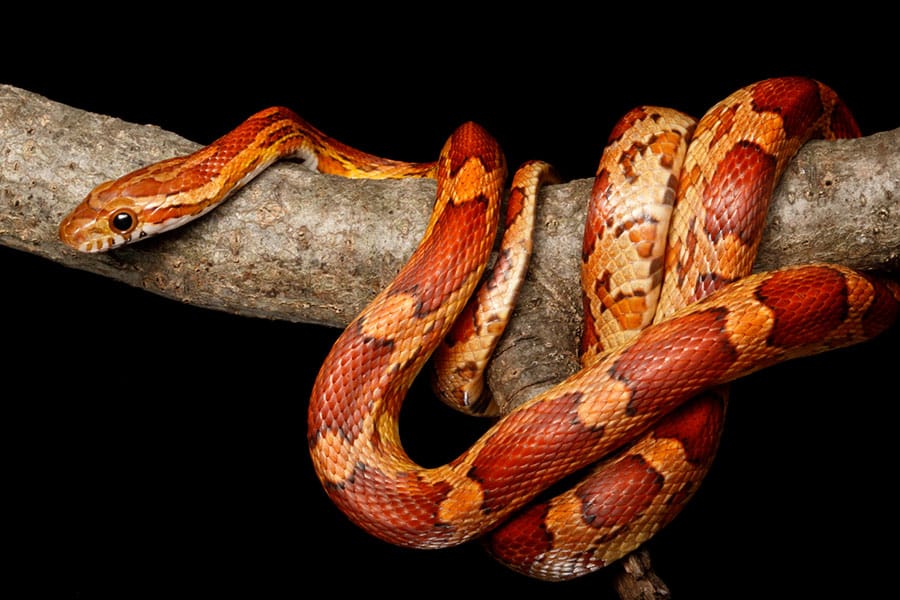
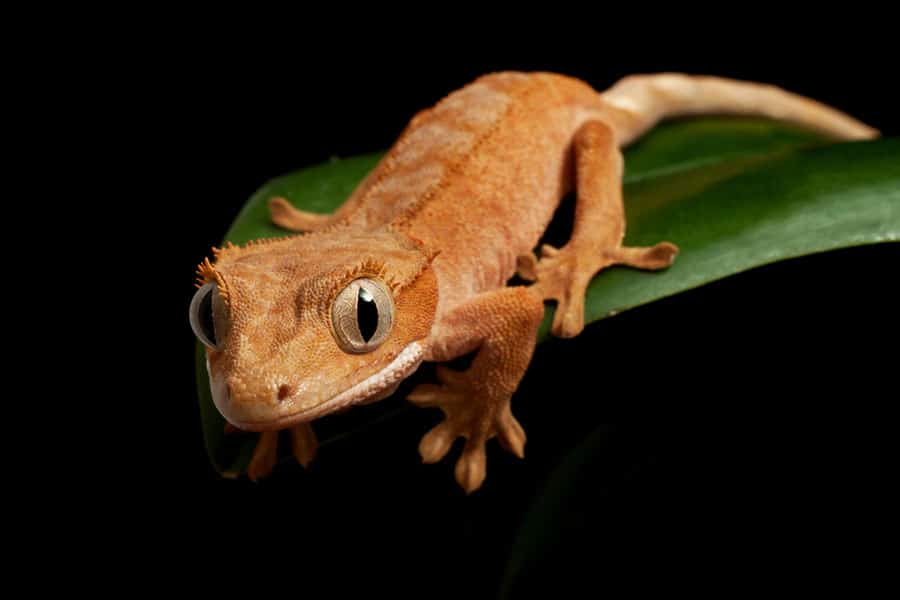
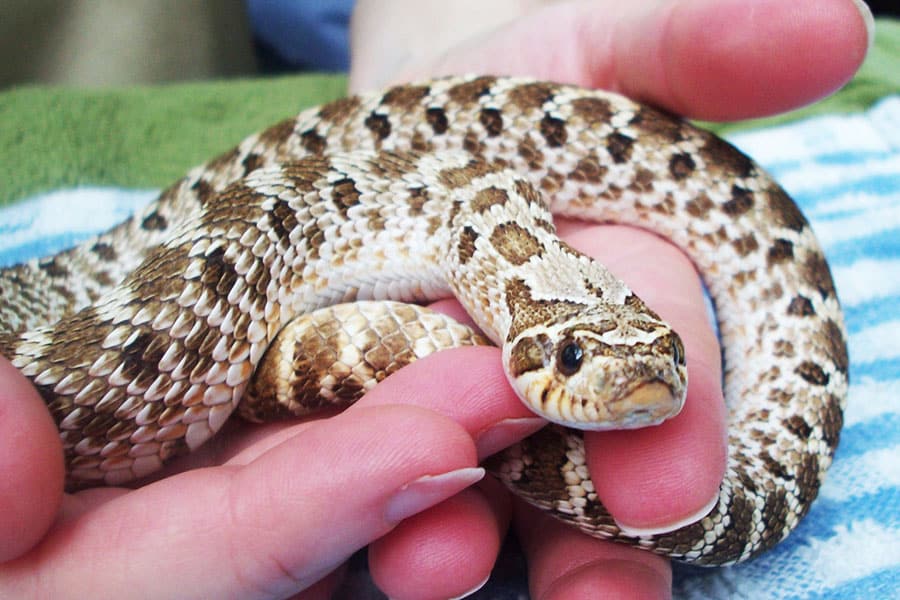
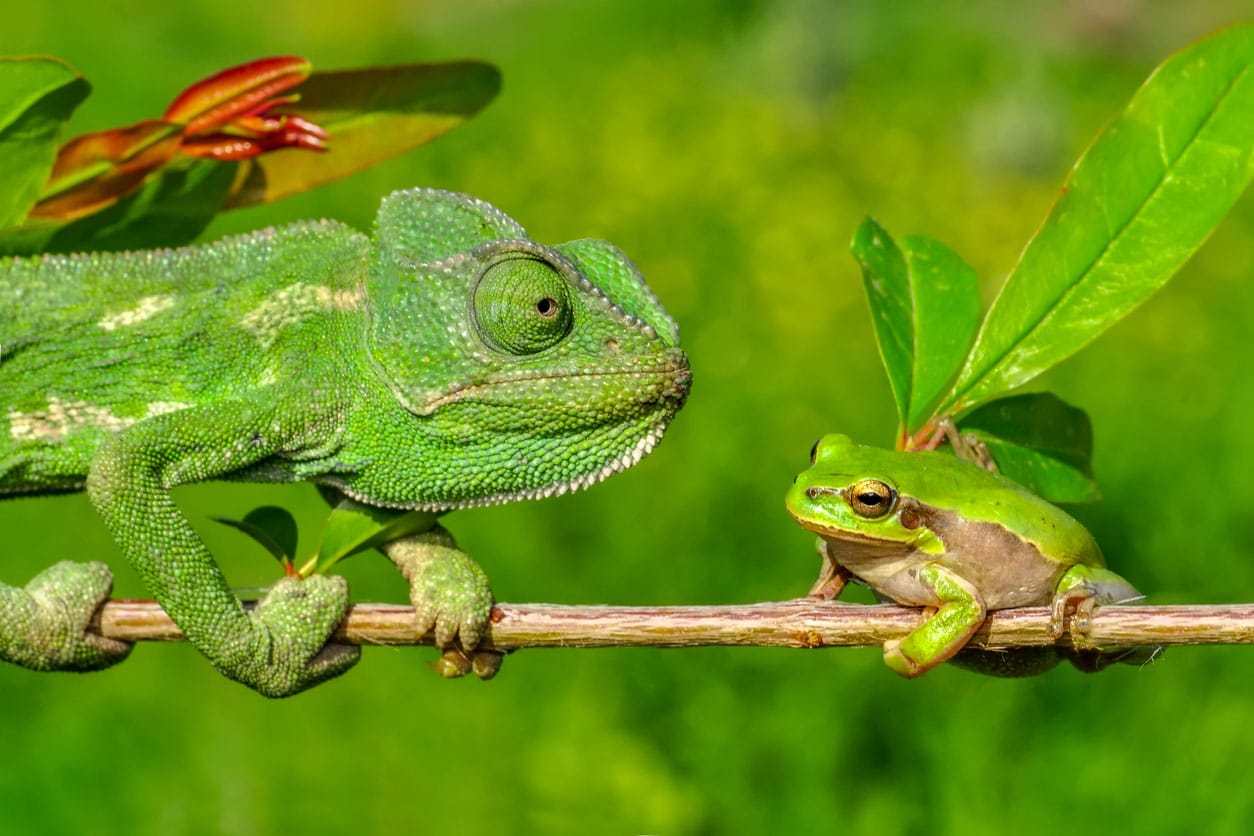
Reptiles are a diverse group of animals that includes snakes, lizards, turtles, tortoises, and crocodilians. They are characterized by their scaly skin, which acts as a protective barrier against dehydration and injury. Reptiles are cold-blooded, meaning their body temperature depends on their environment. They breathe air through lungs, and most lay eggs, though some give birth to live young.
Common pet reptiles include bearded dragons, leopard geckos, corn snakes, and red-eared sliders. These animals are typically hardy and can thrive in captivity when their environmental needs are met. Reptiles often require specialized enclosures with heat sources, UVB lighting, and carefully regulated humidity. Their diets vary widely, ranging from insects and vegetables to rodents, depending on the species.
What Are Amphibians?
Amphibians encompass frogs, toads, salamanders, and newts. Unlike reptiles, amphibians have moist, permeable skin that plays a role in respiration and hydration. Most amphibians begin their lives in water as larvae (like tadpoles) and undergo metamorphosis before transitioning to adulthood, often on land. They are also cold-blooded but tend to require environments with higher humidity and access to water.
Popular pet amphibians include African clawed frogs, fire-bellied newts, axolotls, and Pacman frogs. Amphibians are more sensitive to environmental changes than reptiles, especially regarding moisture and cleanliness. Their skin can absorb harmful substances, so their enclosures must be kept clean, and water quality is paramount.
Key Differences Between Reptiles and Amphibians
1. Skin
One of the most apparent differences is their skin. Reptiles have dry, scaly skin that protects them from dehydration and injury. Amphibians have smooth, moist skin that absorbs water and oxygen. This makes amphibians more susceptible to pollutants and requires owners to maintain pristine habitats.
2. Life Cycle
Amphibians usually experience a two-stage life cycle: aquatic larval stage and terrestrial adult stage. For example, a frog starts as a tadpole in water before developing legs and lungs. Reptiles, on the other hand, hatch or are born as miniature versions of adults and live primarily on land.
3. Habitat Needs
Reptiles are generally more tolerant of dry conditions and require carefully balanced heat and light, often simulating desert or forest environments. Amphibians need high humidity and access to water, making their care more demanding in terms of moisture and cleanliness. Owners must provide specific habitats tailored to each species’ needs.
4. Respiration
Reptiles breathe exclusively through lungs, while amphibians can absorb oxygen through their skin and lungs. Some amphibians, such as salamanders, rely heavily on cutaneous respiration, underscoring the importance of clean, moist environments.
5. Reproduction
Most reptiles lay eggs with tough, leathery shells, although some give birth to live young. Amphibians lay soft, jelly-like eggs in water, which often require a wet environment for proper development.
Which Makes a Better Pet?
There’s no one-size-fits-all answer. Reptiles tend to be more robust and easier to handle once acclimated. They tolerate handling and environmental changes better, making them suitable for beginners. Amphibians are captivating but can be delicate; their care requires strict attention to humidity, water quality, and cleanliness. They are often better suited for those with some experience or a willingness to research and maintain specialized habitats.
Considerations Before Bringing One Home
Space and Environment: Reptiles often need larger spaces with heating elements; amphibians require water features and high humidity.
Handling: Reptiles generally tolerate handling better; amphibians are best admired and rarely handled due to sensitive skin.
Diet: Research your chosen species’ dietary needs. Reptiles may eat insects, vegetables, or rodents; amphibians usually eat insects or aquatic fare.
Commitment: Both groups can live many years with proper care. Be sure to consider the long-term commitment.
Visit Moby Dick Pet Store in Metro Detroit
Whether you’re drawn to the scaly charm of reptiles or the unique life of amphibians, Moby Dick Pet Store is here to help. Our staff is knowledgeable and passionate about helping you choose and care for your new pet. Visit us in-store or online for supplies, expert advice, and the healthiest animals around!